





 Vietnamese
 中文
中文
 日本語
日本語
 한국어
한국어
 Français
 Русский
 Deutsch
 Español
 Bahasa Indonesia
 ไทย
ไทย
 ພາສາລາວ
 ខ្មែរ
ខ្មែរ


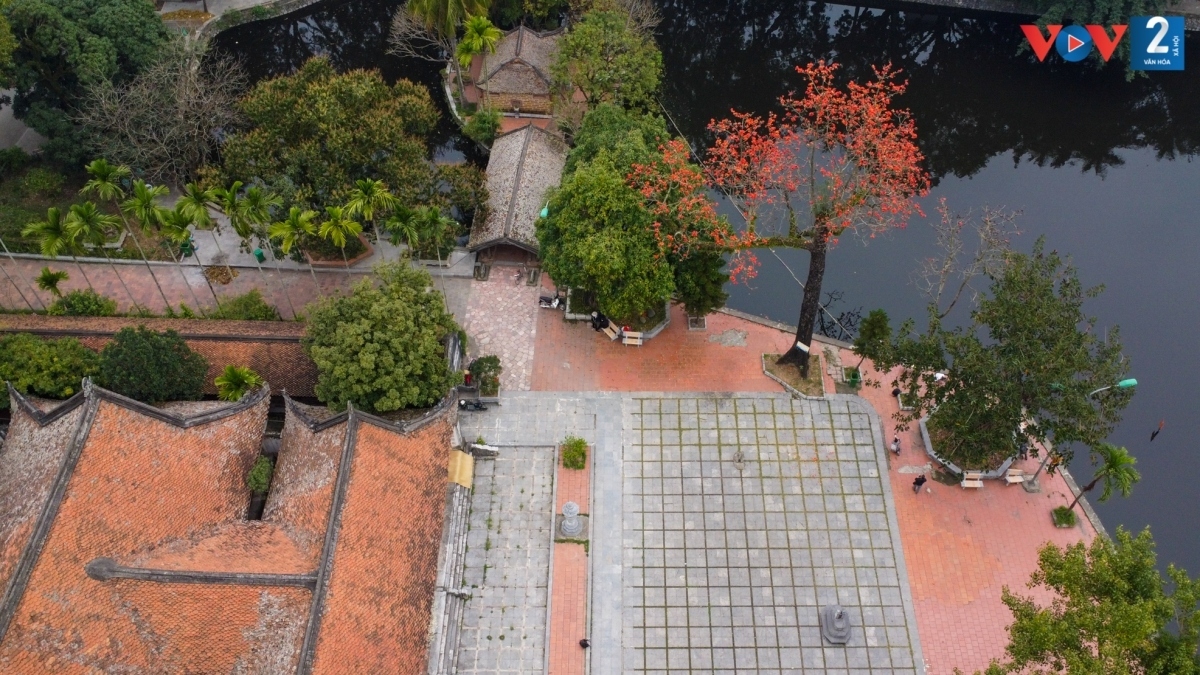 Hoa Gao, also referred to by its scientific name as bombax ceiba, is said to have originated in India before being taken to Indonesia, China, Malaysia, and Vietnam. Hoa Gao, also referred to by its scientific name as bombax ceiba, is said to have originated in India before being taken to Indonesia, China, Malaysia, and Vietnam. |
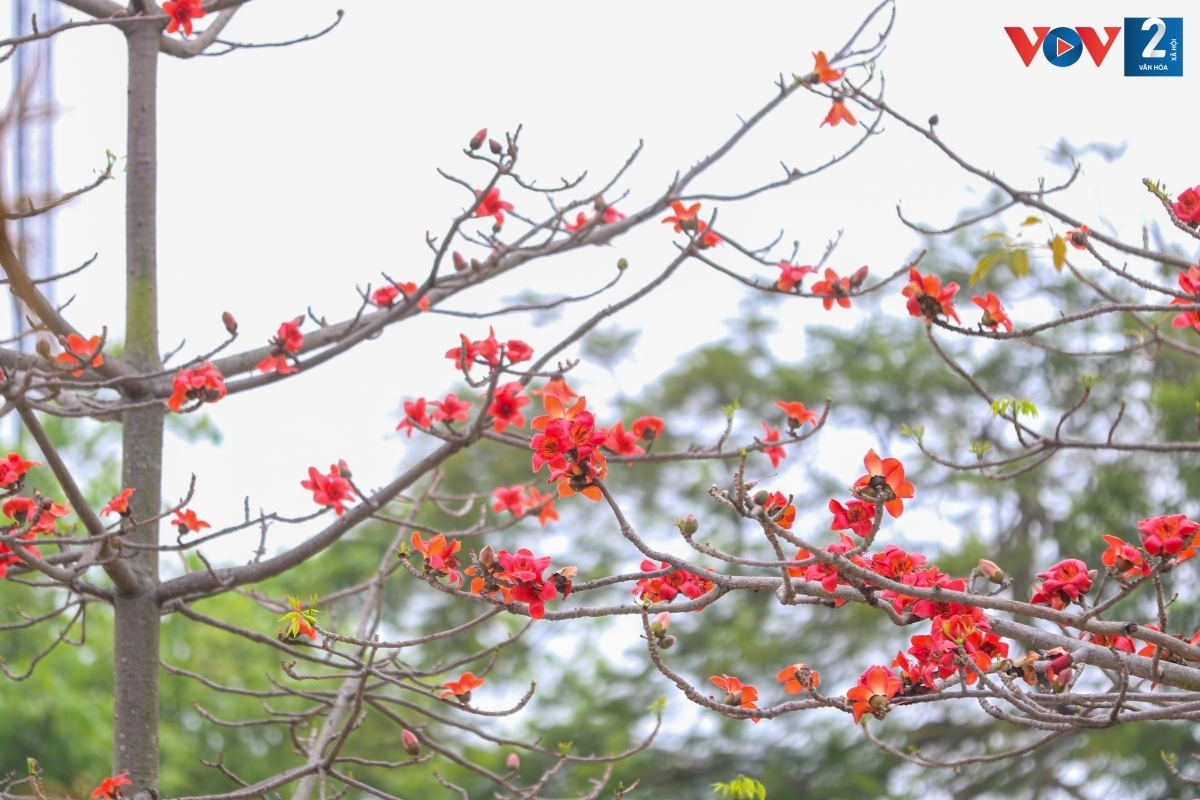 March is the prime time when Hoa Gao is in full bloom. All the old leaves fall down, leaving the tree with only flowers. The trees now appear like a burning torch with hundreds of red fires. March is the prime time when Hoa Gao is in full bloom. All the old leaves fall down, leaving the tree with only flowers. The trees now appear like a burning torch with hundreds of red fires. |
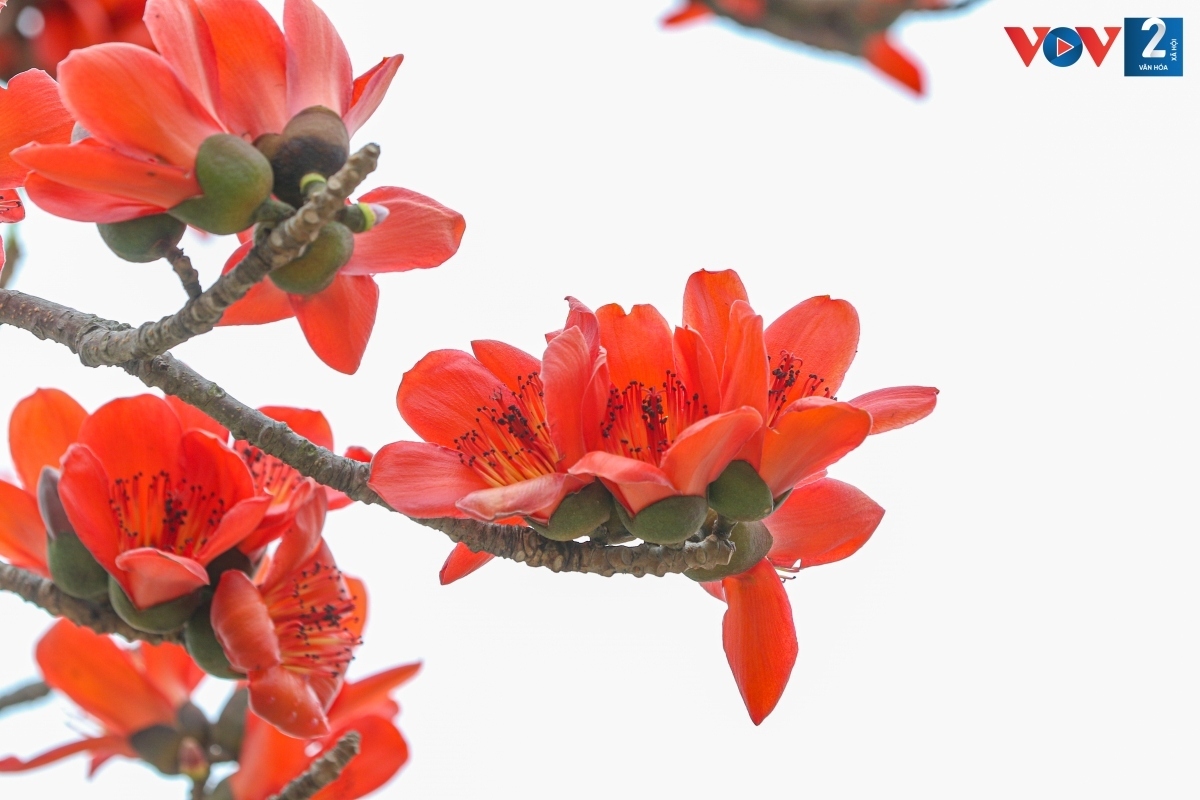 The blossoms have five big petals, and bloom in March and April when it gets warmer with drizzly conditions. The blossoms have five big petals, and bloom in March and April when it gets warmer with drizzly conditions. |
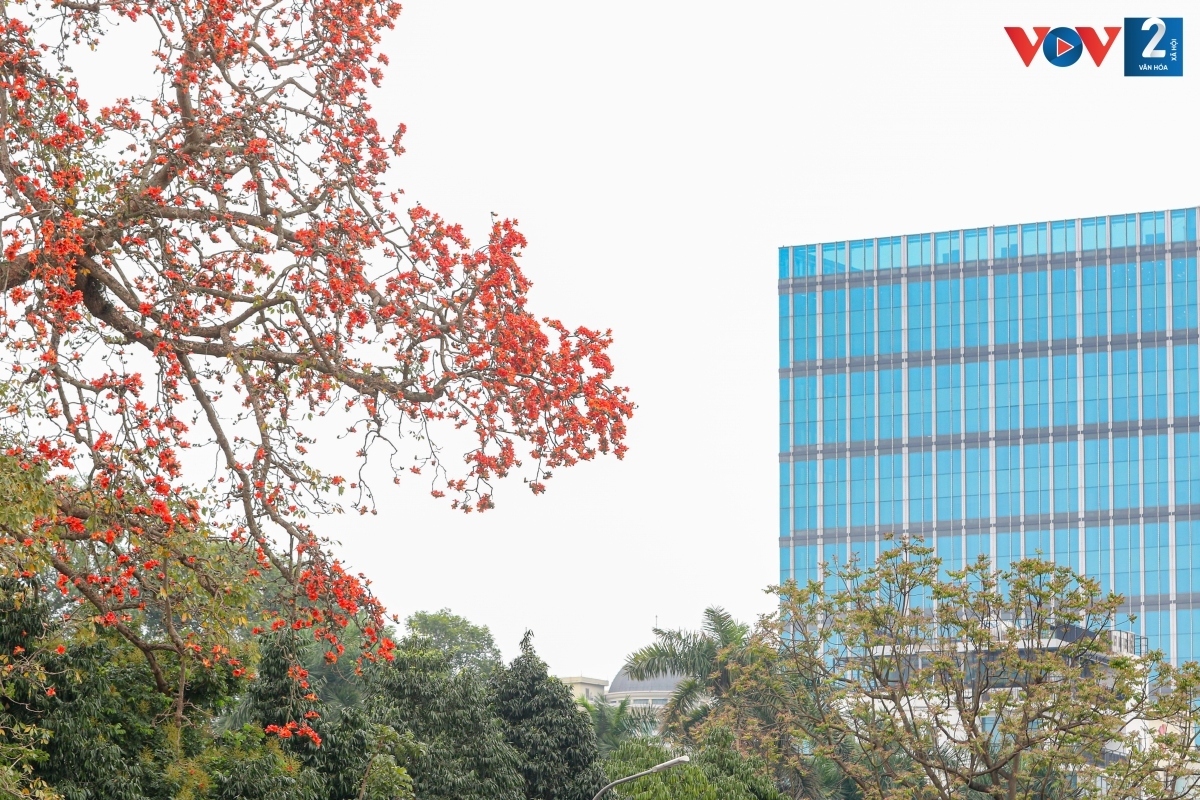 The flowers stay beautiful for a few weeks before falling when summer finally comes. Then the young buds of leaves appear on bare branches. The flowers stay beautiful for a few weeks before falling when summer finally comes. Then the young buds of leaves appear on bare branches. |
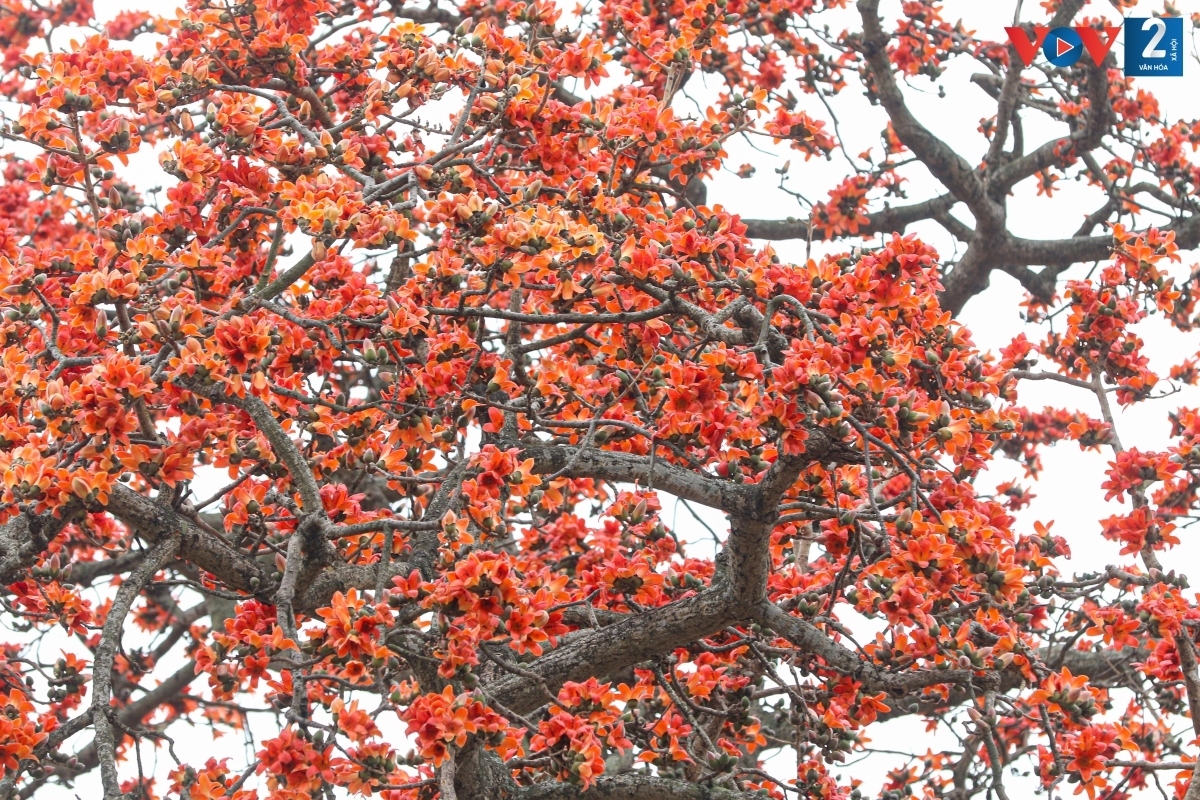 The flower can mostly be seen in the north of the country. The flower can mostly be seen in the north of the country. |
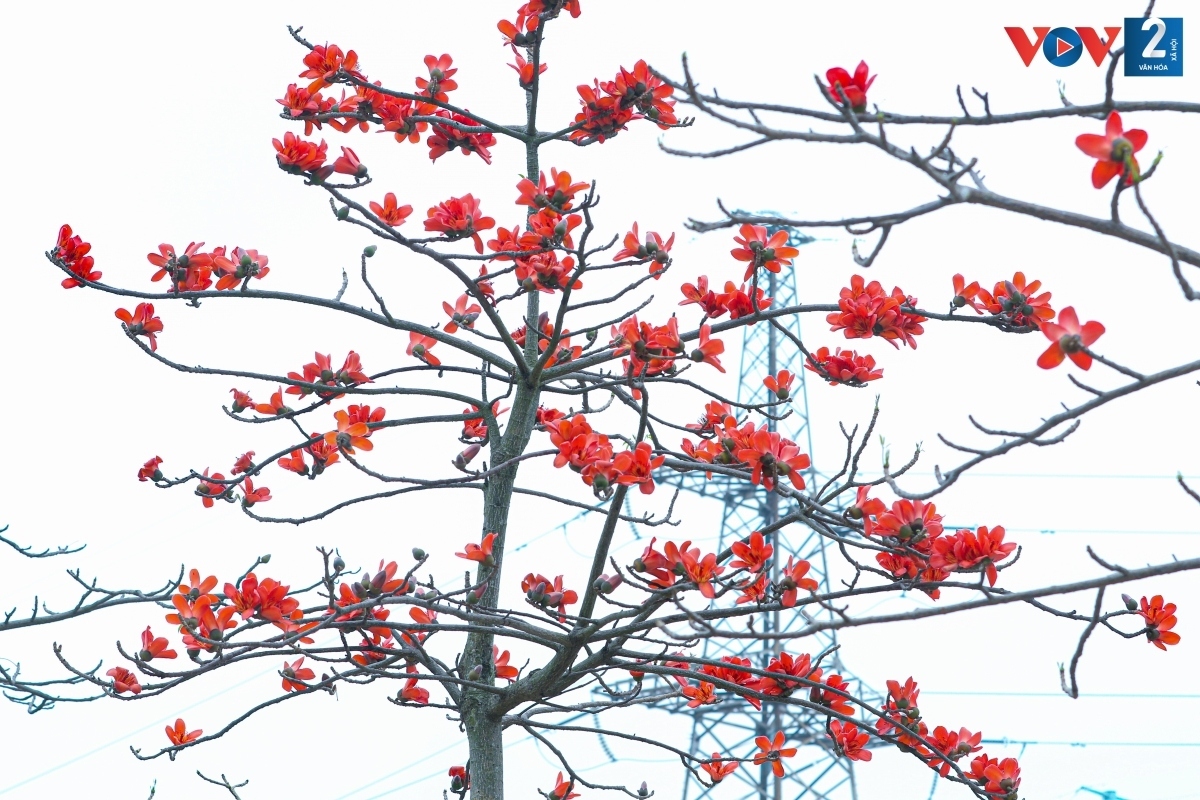 They feature five big petals in a bright red colour that appears like a small fame. They feature five big petals in a bright red colour that appears like a small fame. |
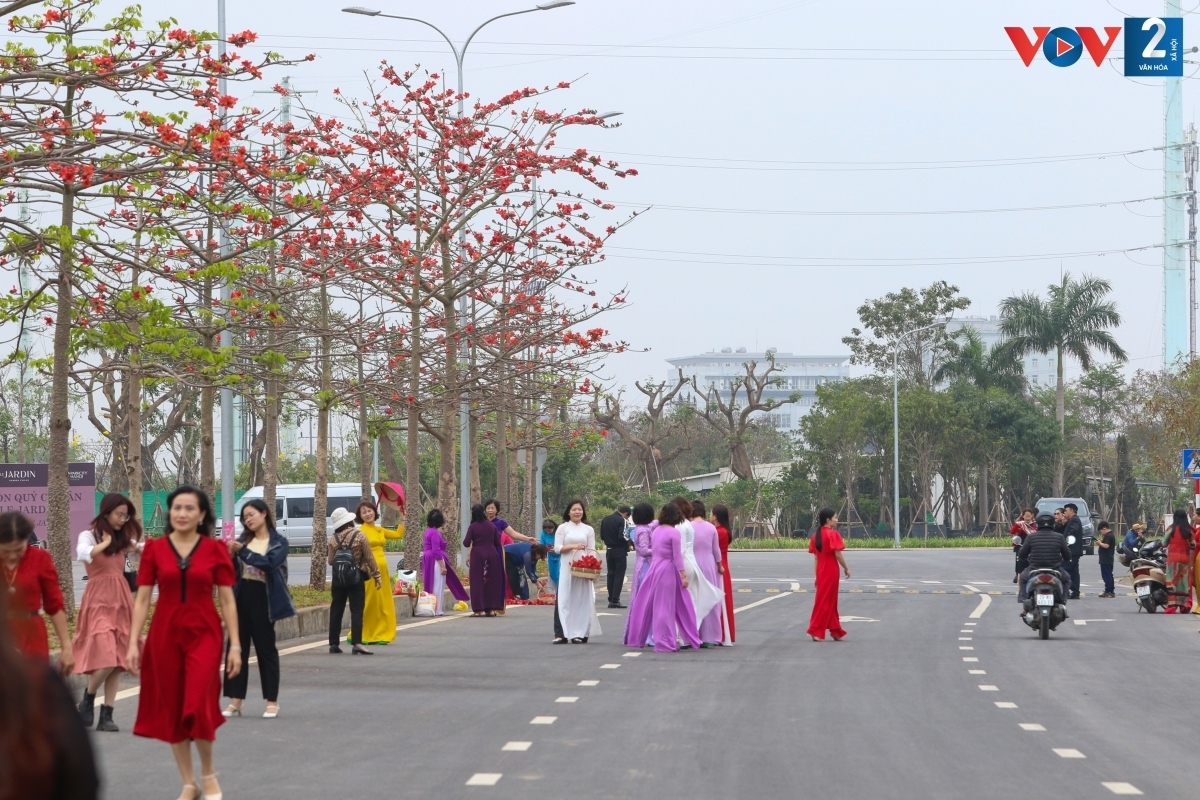 The trees are planted around ParkCity Hanoi urban area in Ha Dong district of Hanoi. The trees are planted around ParkCity Hanoi urban area in Ha Dong district of Hanoi. |
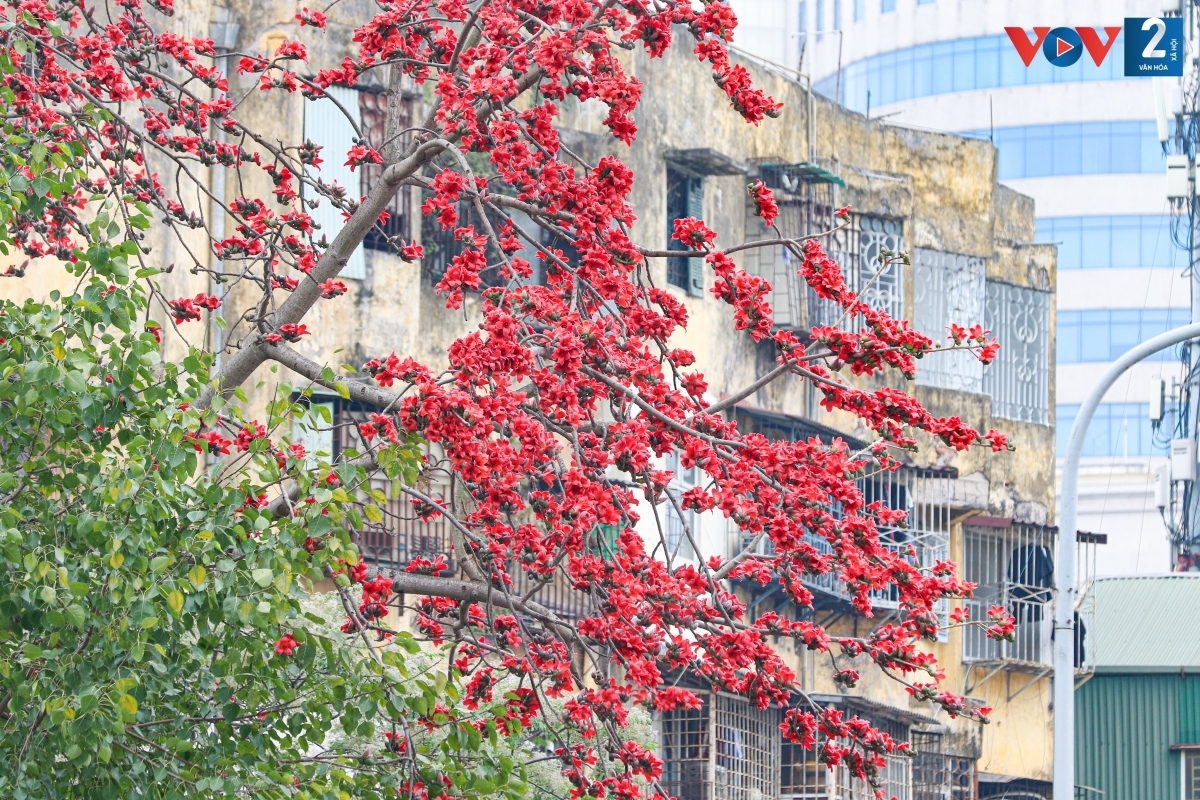 The capital city has new coat in March with bombax ceiba trees. The capital city has new coat in March with bombax ceiba trees. |
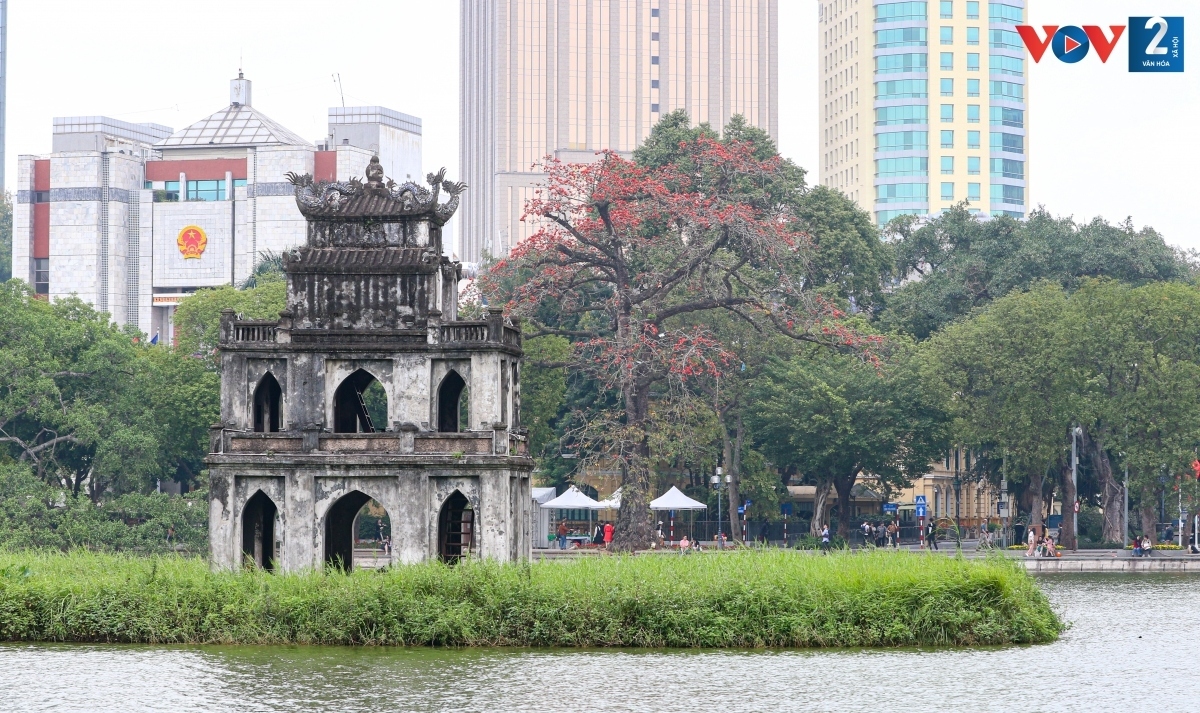 The bright red blossoms on high bare branches offer a postcard scene of Ho Guom (Sword Lake), Hanoi. The bright red blossoms on high bare branches offer a postcard scene of Ho Guom (Sword Lake), Hanoi. |
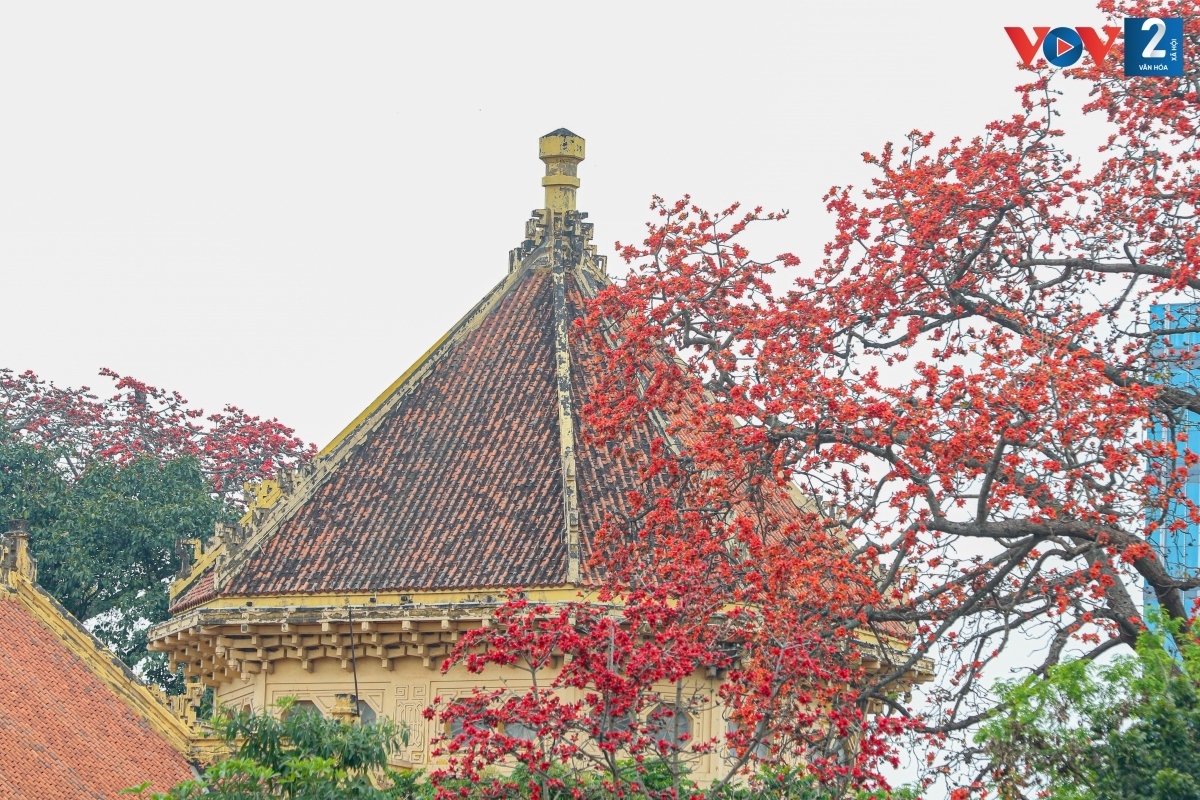
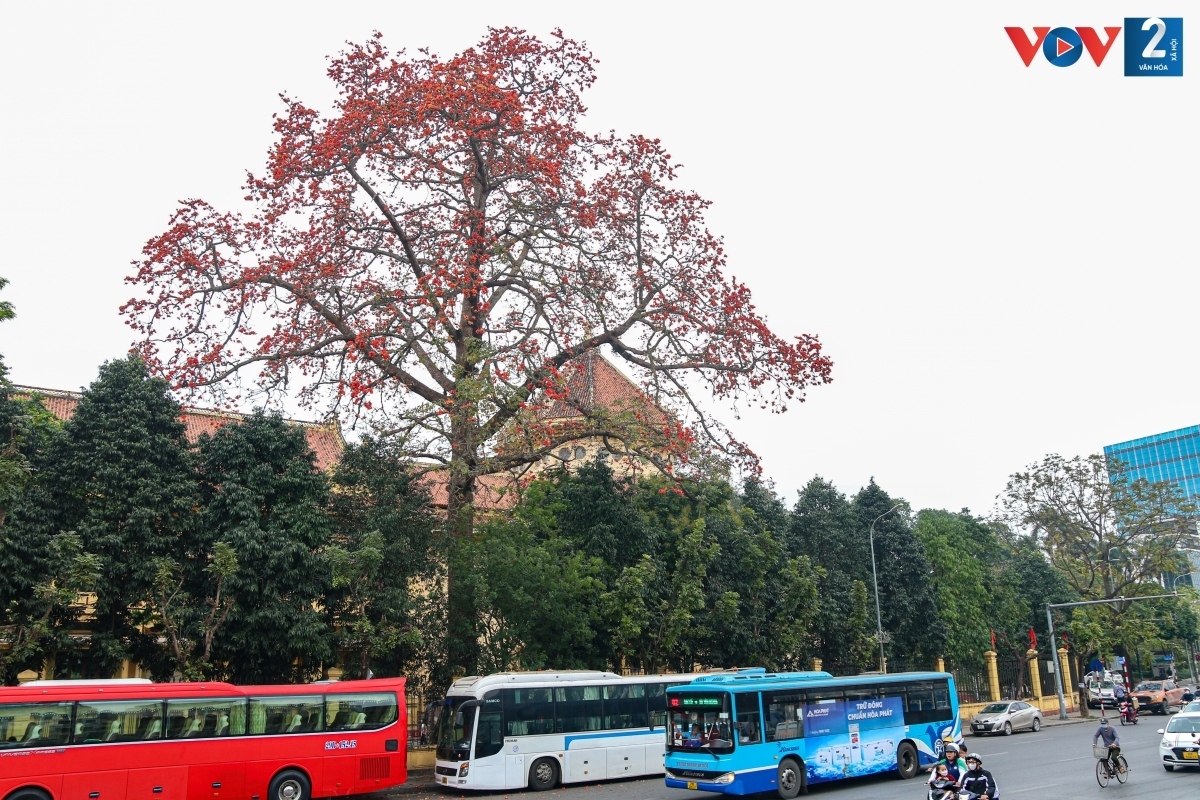 The old tree inside the National Museum of History is thought to be nearly 100 years old. The old tree inside the National Museum of History is thought to be nearly 100 years old. |
 |
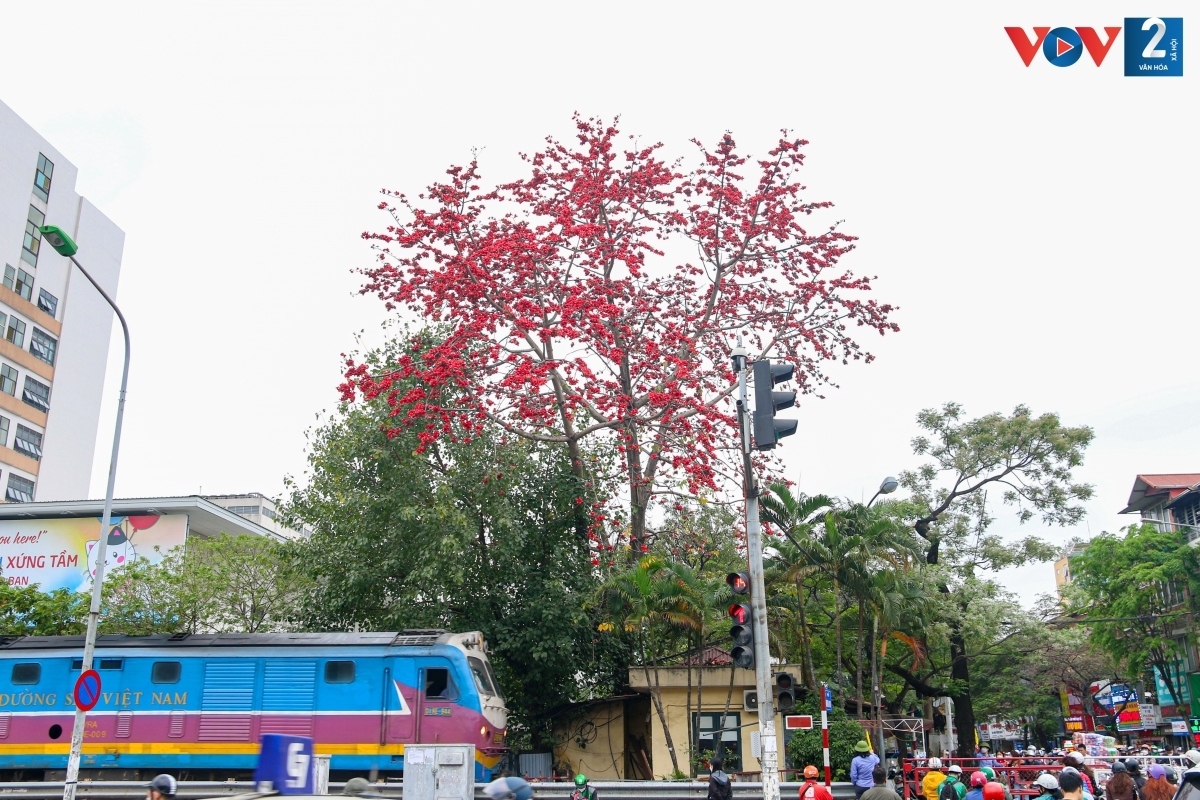 Bombax ceiba in full bloom at Giai Phong-Phuong Mai crossroads, Hanoi Bombax ceiba in full bloom at Giai Phong-Phuong Mai crossroads, Hanoi |
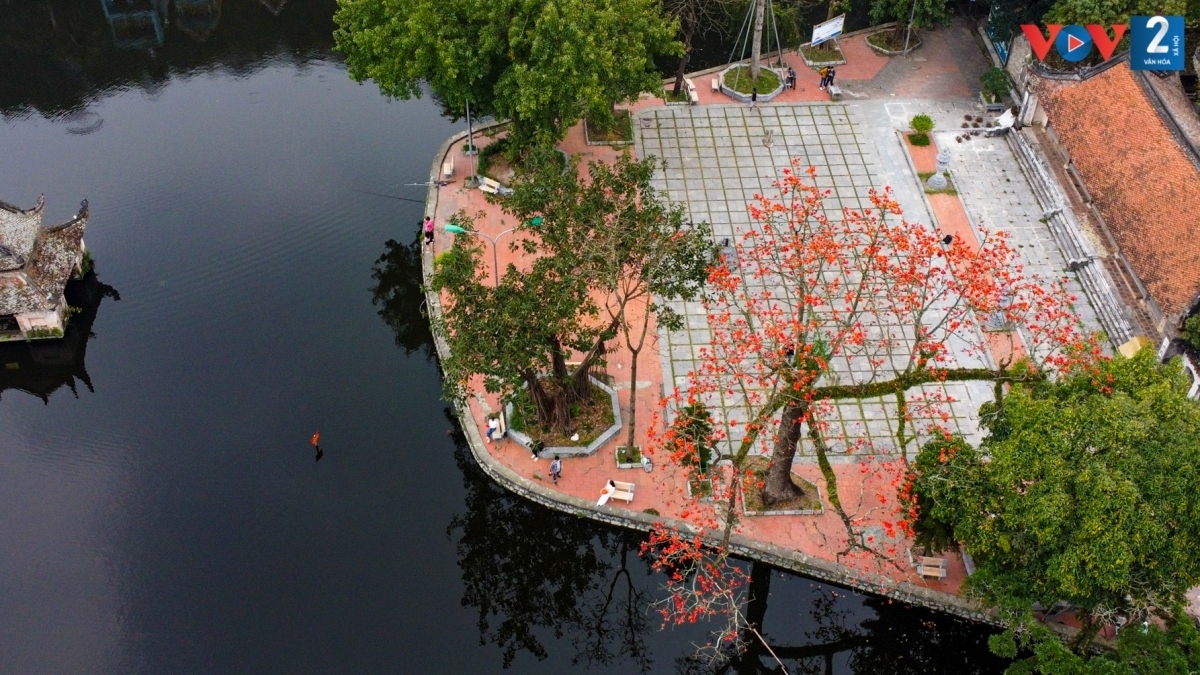
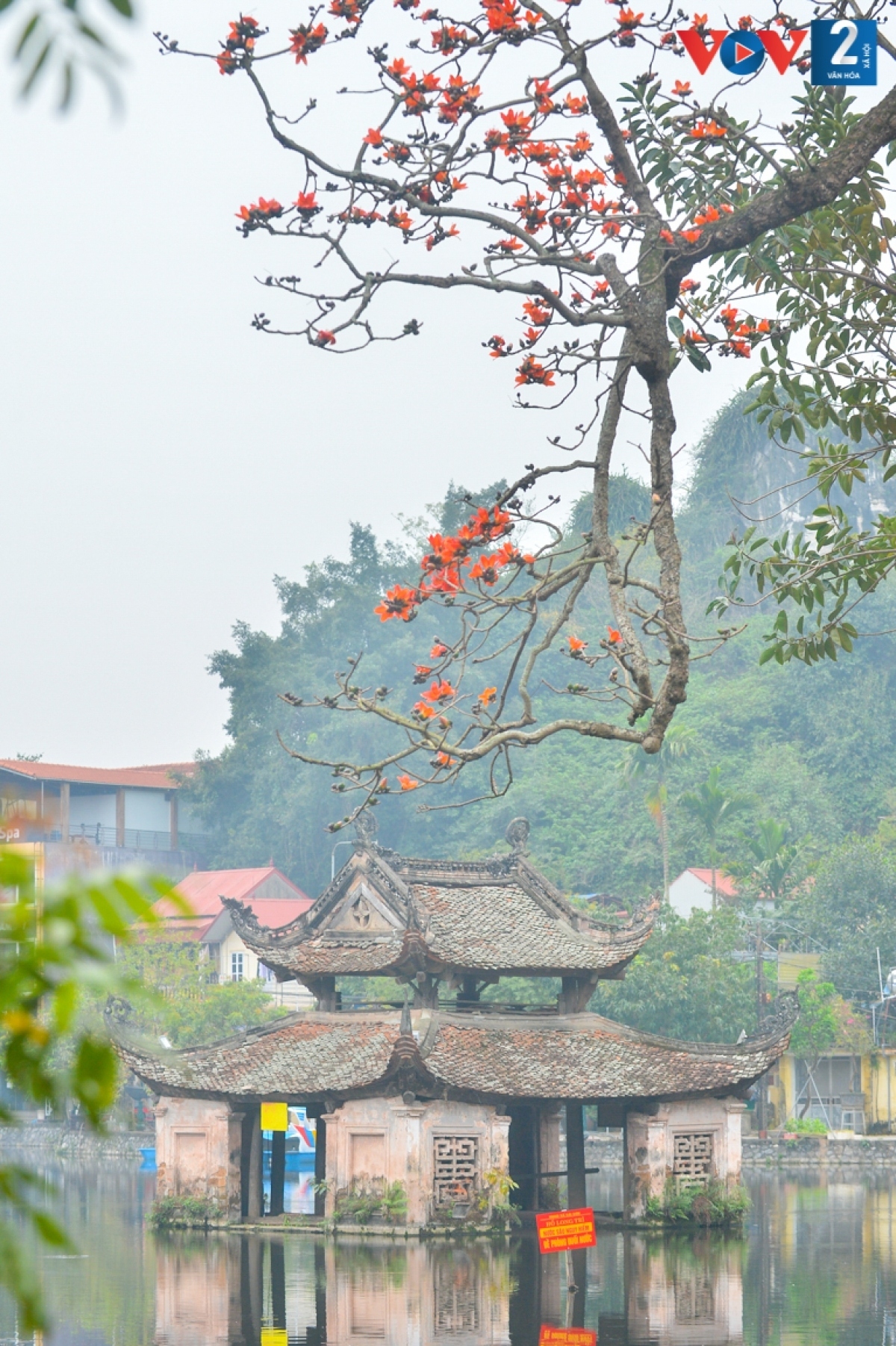 Hoa Gao tree in Thay pagoda in Sai Son commune of Quoc Oai district in Hanoi Hoa Gao tree in Thay pagoda in Sai Son commune of Quoc Oai district in Hanoi |
 |
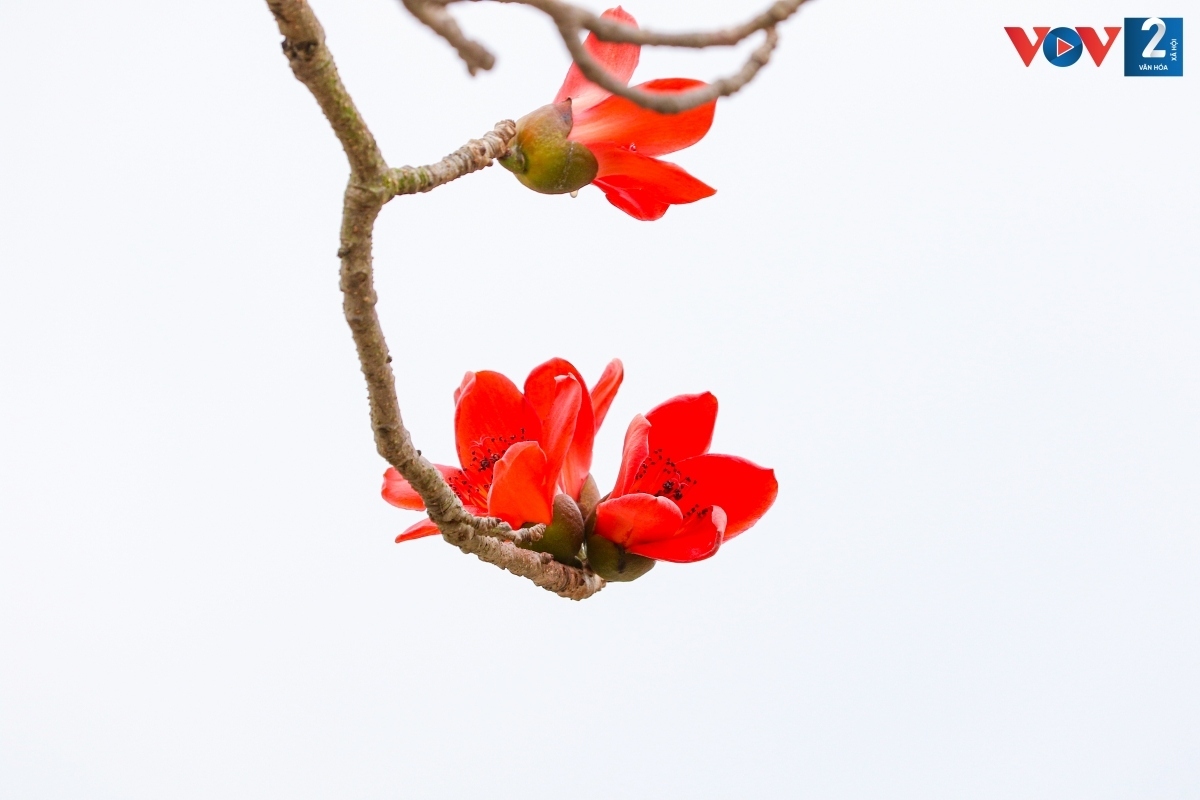 The blossoms remain on the branches for a few weeks before falling off, making way for new leaves to emerge. The blossoms remain on the branches for a few weeks before falling off, making way for new leaves to emerge. |
