





 Vietnamese
 中文
中文
 日本語
日本語
 한국어
한국어
 Français
 Русский
 Deutsch
 Español
 Bahasa Indonesia
 ไทย
ไทย
 ພາສາລາວ
 ខ្មែរ
ខ្មែរ


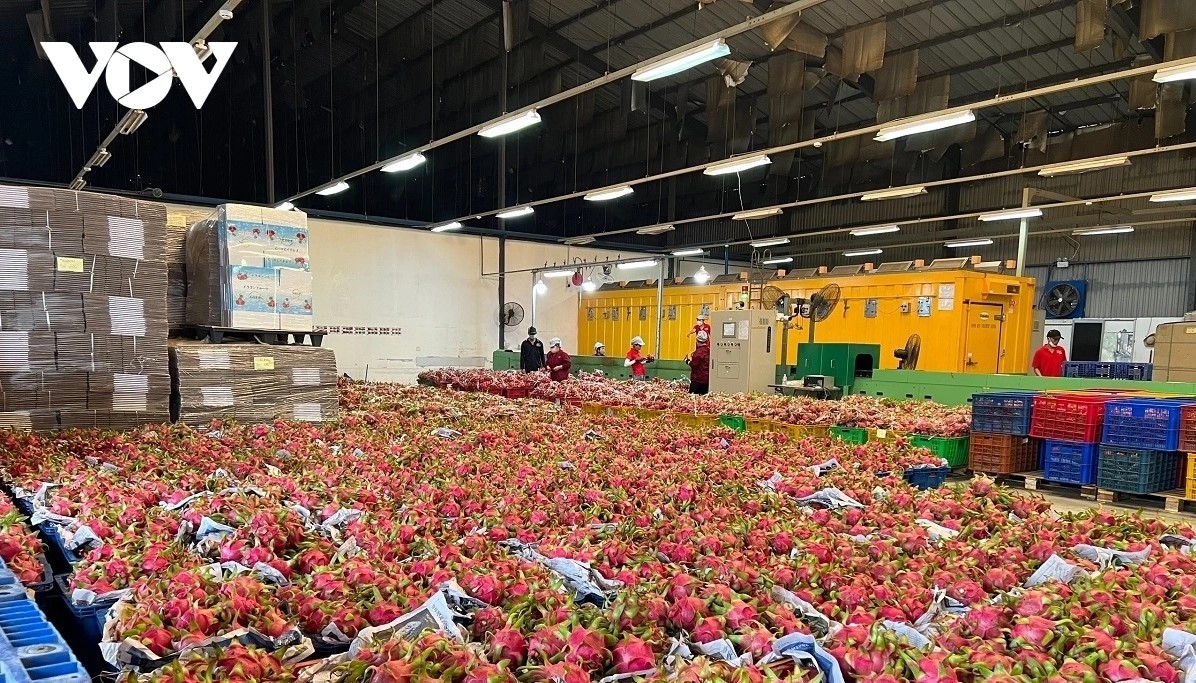 With the advantage of being an agricultural country, Vietnam has great potential to participate deeply in the Halal food supply chain. (Illustrative photo: VOV) With the advantage of being an agricultural country, Vietnam has great potential to participate deeply in the Halal food supply chain. (Illustrative photo: VOV) |
As Vietnam’s Halal exports are mainly agricultural products and raw materials, the country needs to build a holistic ecosystem and develop a national brand to tap the Halal market effectively. This will require close coordination among government agencies, businesses, and Halal certification organizations to ensure product quality and compliance with standards.
Nguyen Sinh Nhat Tan is Deputy Minister of Industry and Trade: "The Trade Promotion Agency researches market information and connects businesses. The Ministry of Industry and Trade supports enterprises by helping them participate in trade fairs to explore partners, showcase products, hold meetings, negotiate, and sign contracts. In the coming period, we will develop a comprehensive plan for systematic implementation."
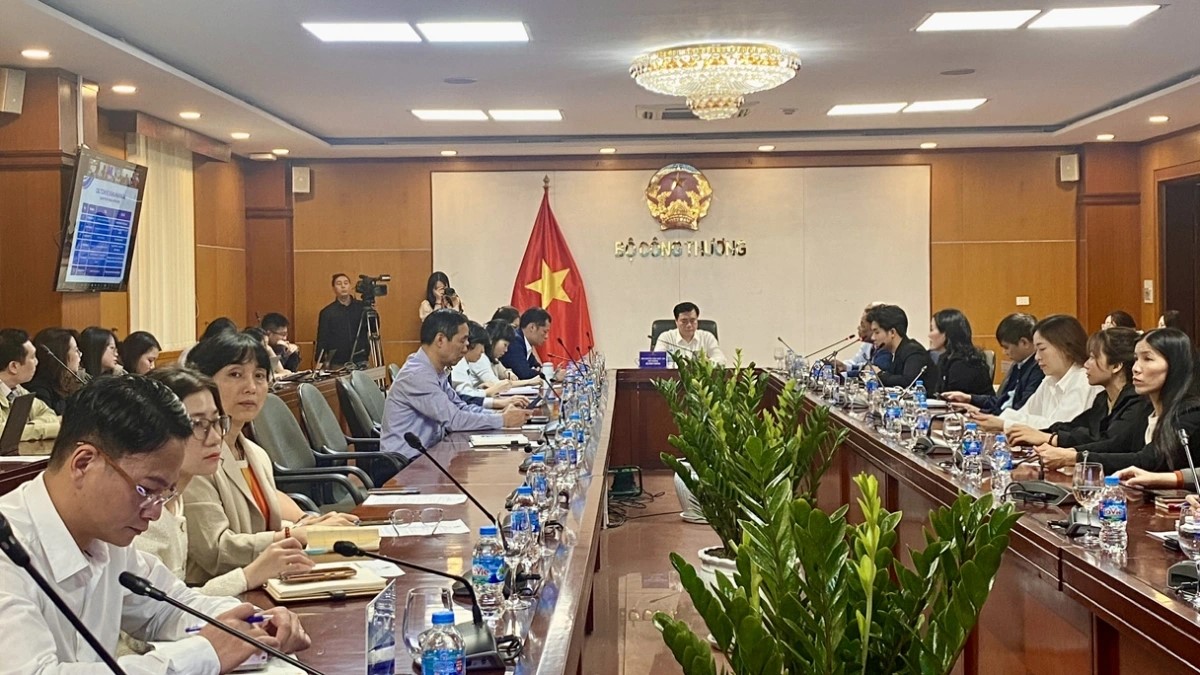 Deputy Minister of Industry and Trade Nguyen Sinh Nhat Tan chaired the meeting to promote the export market of Halal products. (Photo: Ministry of Industry and Trade) Deputy Minister of Industry and Trade Nguyen Sinh Nhat Tan chaired the meeting to promote the export market of Halal products. (Photo: Ministry of Industry and Trade) |
With its favorable geographic location, competitive logistics costs, and stable production capacity, Vietnam is well-positioned to expand exports to Southeast Asian countries with high demand for Halal products, such as Indonesia, Malaysia, and Singapore. Eko Cahyanto, Indonesia’s Ministry of Industry Secretary General, says that Indonesia has a large Muslim population with high demand for Halal products. These products must meet specific standards, and any country that fulfills these requirements is fully welcomed. Indonesia has many cooperative agreements in this field that meet Indonesia's standards.
In Malaysia and Singapore, Halal certification is not mandatory for all imported goods, but it’s a key factor in building trust with local distributors and consumers. Singapore is a global Halal distribution hub, from which Vietnamese goods can reach other regional and global markets, while Pakistan is also a promising market.
