





 Vietnamese
 中文
中文
 日本語
日本語
 한국어
한국어
 Français
 Русский
 Deutsch
 Español
 Bahasa Indonesia
 ไทย
ไทย
 ພາສາລາວ
 ខ្មែរ
ខ្មែរ


Hue garden houses
Hue garden houses
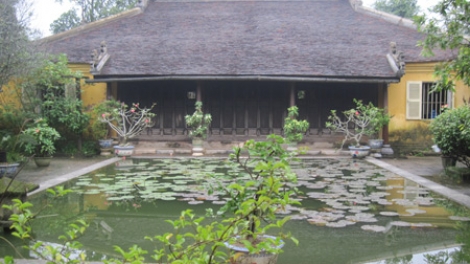
(VOVworld) – Hue is known as a city of gardens and garden houses which harmoniously blend the calculation of human architecture with the randomness of nature. They are a unique expression of the cultural values of Vietnam’s former imperial city. In recent years, these garden houses have become increasingly popular with tourists.
Hue garden houses
Hue garden houses
(VOVworld) – Hue is known as a city of gardens and garden houses which harmoniously blend the calculation of human architecture with the randomness of nature. They are a unique expression of the cultural values of Vietnam’s former imperial city. In recent years, these garden houses have become increasingly popular with tourists.
Phuoc Tich ancient village embodies Hue beauty
Phuoc Tich ancient village embodies Hue beauty
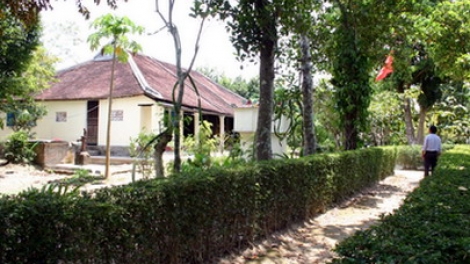
(VOVworld) 40 km north of the central city of Hue is the small village of Phuoc Tich, which has changed very little in hundreds of years. The modest, peaceful village is a popular destination in Hue.
Phuoc Tich ancient village embodies Hue beauty
Phuoc Tich ancient village embodies Hue beauty
(VOVworld) 40 km north of the central city of Hue is the small village of Phuoc Tich, which has changed very little in hundreds of years. The modest, peaceful village is a popular destination in Hue.
Hue pagoda typifies Hue architecture
Hue pagoda typifies Hue architecture
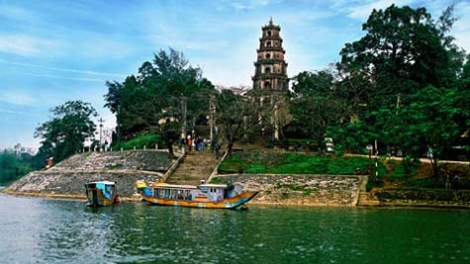
(VOVworld)- Hue’s imperial citadel attracts tourists because of its royal relics and beauty. Hue is also famous for more than 100 pagodas, many of them built in the 17th century such as Linh Mu pagoda, which was built in 1601, Bao Quoc pagoda in 1674 and Tu Dam pagoda in 1683. The architecture of Hue’s pagodas are simple but elegant. They are often surrounded by green trees.
Hue pagoda typifies Hue architecture
Hue pagoda typifies Hue architecture
(VOVworld)- Hue’s imperial citadel attracts tourists because of its royal relics and beauty. Hue is also famous for more than 100 pagodas, many of them built in the 17th century such as Linh Mu pagoda, which was built in 1601, Bao Quoc pagoda in 1674 and Tu Dam pagoda in 1683. The architecture of Hue’s pagodas are simple but elegant. They are often surrounded by green trees.
Huong river, Ngu mountain reflect Hue’s romantic beauty
Huong river, Ngu mountain reflect Hue’s romantic beauty
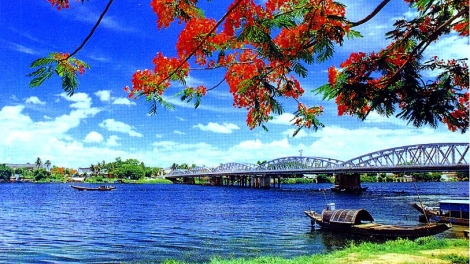
(VOVworld)- Hue is famous for its royal relics and also for its romantic scenery. The Huong (Perfume) river and Ngu mountain typify Hue’s romanticism.
Huong river, Ngu mountain reflect Hue’s romantic beauty
Huong river, Ngu mountain reflect Hue’s romantic beauty
(VOVworld)- Hue is famous for its royal relics and also for its romantic scenery. The Huong (Perfume) river and Ngu mountain typify Hue’s romanticism.
Hue- a romantic city
Hue- a romantic city
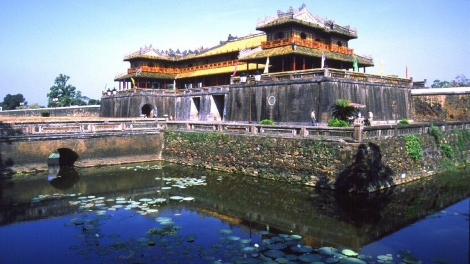
(VOVworld) – From 1558 to 1945, Hue was the imperial capital city of 9 Nguyen Lords, the Tay Son regime and 13 Nguyen dynasties. During those 4 centuries, Hue became an extensive complex of unique architectural and cultural relics. In 1993, the Hue imperial complex was recognized by UNESCO as a World Cultural Heritage Site. The city has become a mecca of Vietnamese tourism.
Hue- a romantic city
Hue- a romantic city
(VOVworld) – From 1558 to 1945, Hue was the imperial capital city of 9 Nguyen Lords, the Tay Son regime and 13 Nguyen dynasties. During those 4 centuries, Hue became an extensive complex of unique architectural and cultural relics. In 1993, the Hue imperial complex was recognized by UNESCO as a World Cultural Heritage Site. The city has become a mecca of Vietnamese tourism.
Quang Tri battlefield
Quang Tri battlefield
(VOVworld)- Quang Tri province attracts visitors not only because of its beautiful landscape and delicious food but also its historical relic sites. The visitors come to the province to express their gratitude and show their respect to fallen soldiers. Quang Tri citadel, Highway 9 Cemetery, and Truong Son National Martyrs’ Cemetery are the popular destinations. Dinh Thieu reports.

Quang Tri battlefield
Quang Tri battlefield
(VOVworld)- Quang Tri province attracts visitors not only because of its beautiful landscape and delicious food but also its historical relic sites. The visitors come to the province to express their gratitude and show their respect to fallen soldiers. Quang Tri citadel, Highway 9 Cemetery, and Truong Son National Martyrs’ Cemetery are the popular destinations. Dinh Thieu reports.
Quang Tri citadel embraces a glorious history
Quang Tri citadel embraces a glorious history
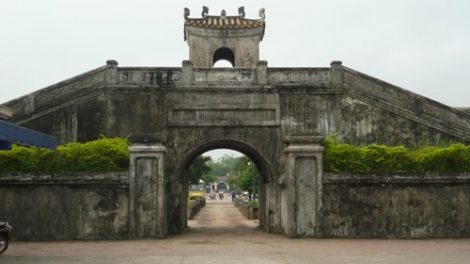
(VOVworld) – Quang Tri citadel on the bank of river Thach Han was the site of fierce battles during the US war in Vietnam. The site became the tomb of tens of thousands of Vietnamese soldiers who sacrificed their lives for national liberation. The site now attracts many foreign and Vietnamese tourists.
Quang Tri citadel embraces a glorious history
Quang Tri citadel embraces a glorious history
(VOVworld) – Quang Tri citadel on the bank of river Thach Han was the site of fierce battles during the US war in Vietnam. The site became the tomb of tens of thousands of Vietnamese soldiers who sacrificed their lives for national liberation. The site now attracts many foreign and Vietnamese tourists.
Nha Ruong- Ancient houses in Hoi Ky village, Quang Tri province
Nha Ruong- Ancient houses in Hoi Ky village, Quang Tri province
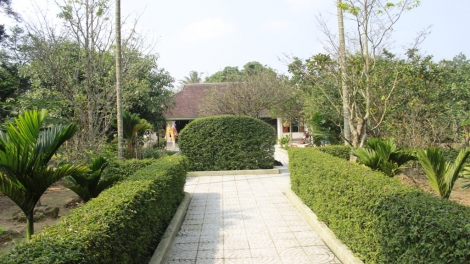
(VOVworld)- Hoi Ky ancient village in Hai Chanh commune, Hai Lang district, Quang Tri province is located by the O Lau river. The village is more than 500 years old. Visitors to the village are amazed at the numerous ancient wooden houses known as Nha Ruong, religious establishments, and the peaceful lives of the local people.
Nha Ruong- Ancient houses in Hoi Ky village, Quang Tri province
Nha Ruong- Ancient houses in Hoi Ky village, Quang Tri province
(VOVworld)- Hoi Ky ancient village in Hai Chanh commune, Hai Lang district, Quang Tri province is located by the O Lau river. The village is more than 500 years old. Visitors to the village are amazed at the numerous ancient wooden houses known as Nha Ruong, religious establishments, and the peaceful lives of the local people.
Vinh Moc tunnel- a world beneath the war
Vinh Moc tunnel- a world beneath the war
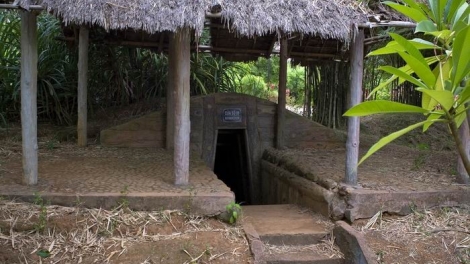
(VOVworld)- No words can be more illustrative than the title of the film “Vinh Moc tunnel- a world beneath the war” by Director Janet Gardner to describe Vinh Moc tunnel in Vinh Linh district, Quang Tri province. The war has ended and the tunnel has become a historical site. Visitors to Vinh Moc tunnel come to better understand local people’s hardships, creativity and bravery.
Vinh Moc tunnel- a world beneath the war
Vinh Moc tunnel- a world beneath the war
(VOVworld)- No words can be more illustrative than the title of the film “Vinh Moc tunnel- a world beneath the war” by Director Janet Gardner to describe Vinh Moc tunnel in Vinh Linh district, Quang Tri province. The war has ended and the tunnel has become a historical site. Visitors to Vinh Moc tunnel come to better understand local people’s hardships, creativity and bravery.
Luc Yen natural stone market
Luc Yen natural stone market
(VOVworld) – Luc Yen district, 80 km from Yen Bai province is famous for making gem stone pictures. Using rough stones, skilled artisans make beautiful pictures popular within both domestic and foreign customers. There are hundreds of workshops making stone pictures in Luc Yen providing jobs for thousands of people.
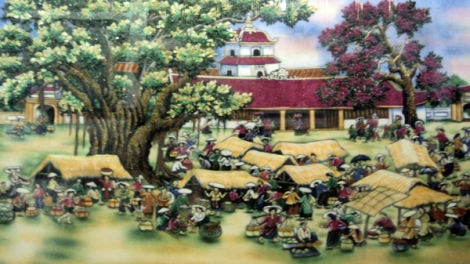
Luc Yen natural stone market
Luc Yen natural stone market
(VOVworld) – Luc Yen district, 80 km from Yen Bai province is famous for making gem stone pictures. Using rough stones, skilled artisans make beautiful pictures popular within both domestic and foreign customers. There are hundreds of workshops making stone pictures in Luc Yen providing jobs for thousands of people.

