





 Vietnamese
 中文
中文
 日本語
日本語
 한국어
한국어
 Français
 Русский
 Deutsch
 Español
 Bahasa Indonesia
 ไทย
ไทย
 ພາສາລາວ
 ខ្មែរ
ខ្មែរ


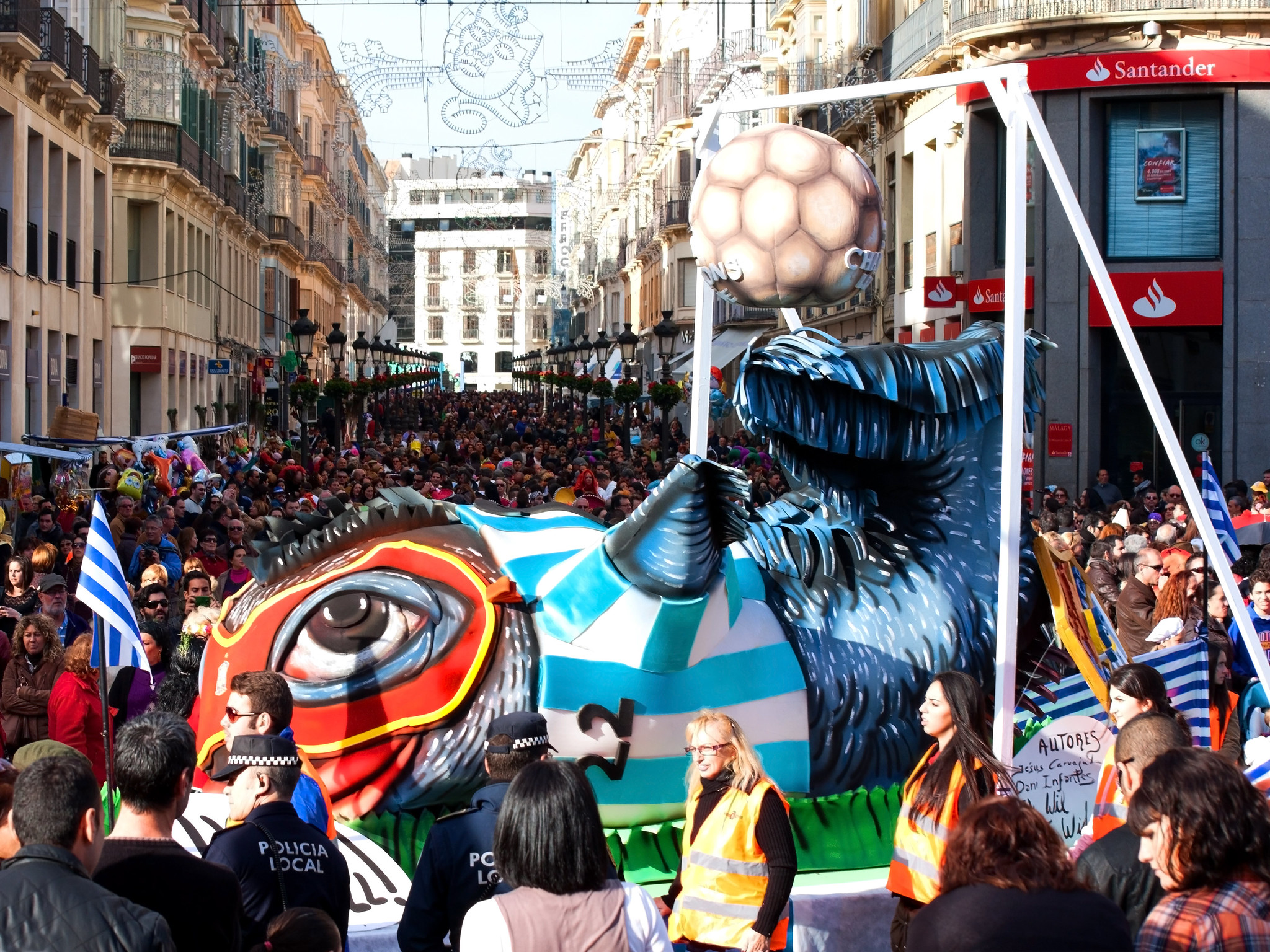 Thousands of people join the "Entierro del Boquerón", or "Burial of The Anchovy" procession to the Malagueta beach. (Photo: Michael Gaylard/Flickr) Thousands of people join the "Entierro del Boquerón", or "Burial of The Anchovy" procession to the Malagueta beach. (Photo: Michael Gaylard/Flickr) |
But don’t be mistaken. This isn’t some kind of sacrificial ritual or an act against an innocent fish. "The Burial of the Anchovy" is actually a ceremony marking the end of Malaga’s carnival season.
A time of non-stop music, grand parades, satirical costumes, and, of course, a four-meter-long anchovy consumed by flames, Malaga’s carnival is a spectacle for both first-time visitors and longtime residents of this sun-drenched city.
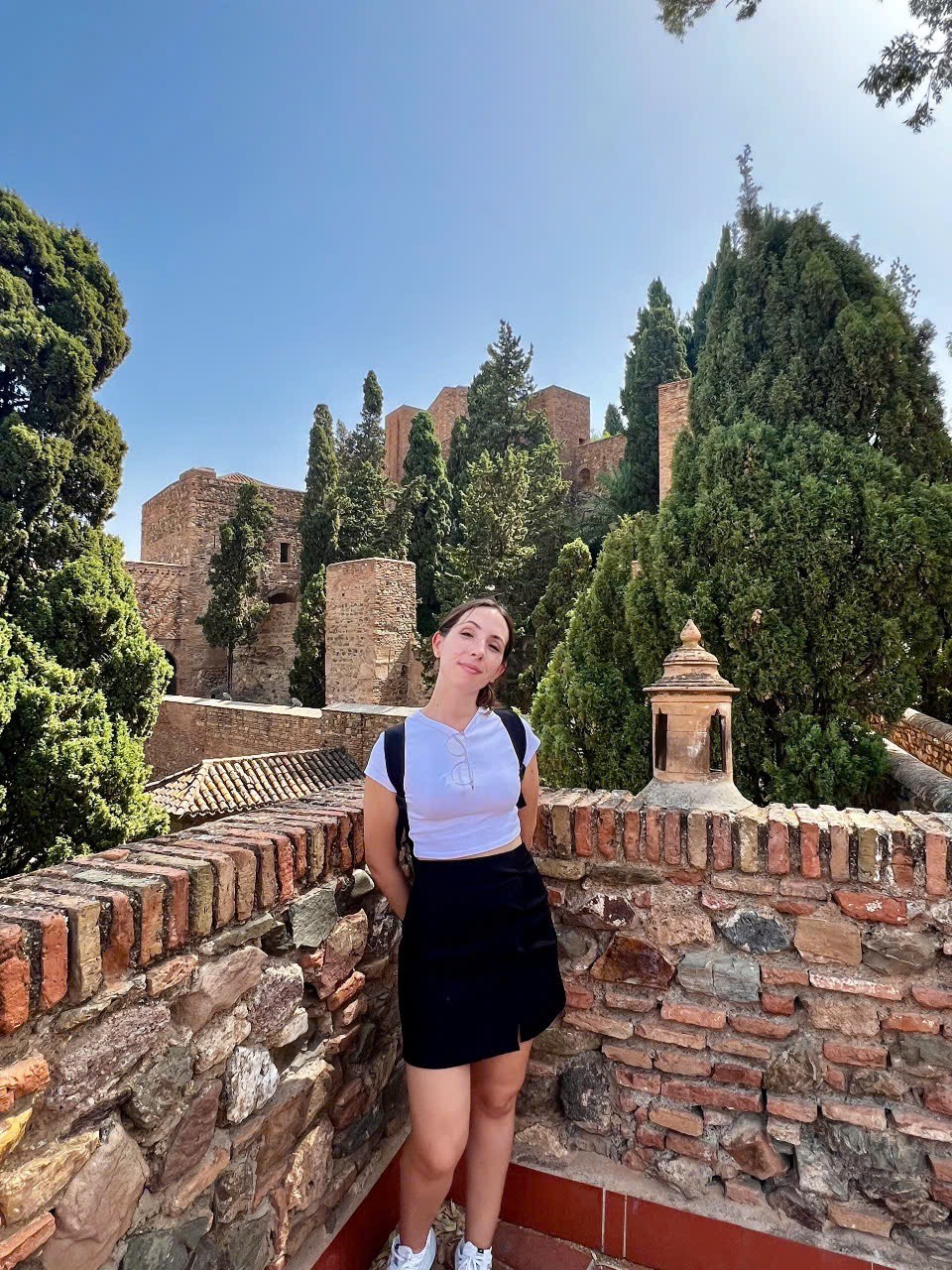 Paloma poses in front of the historic Alcazaba of Malaga, a majestic Muslim citadel. (Photo: Paloma Rovira) Paloma poses in front of the historic Alcazaba of Malaga, a majestic Muslim citadel. (Photo: Paloma Rovira) |
“It marks the end of the carnival, that's why it's a burial. It's like a funeral, like we're burying our feelings and preparing for Lent. This one is different from others in Spain. In most Spanish carnivals, they celebrate the burial of the sardine, but in Malaga, anchovy is the most famous dish and the best-known fish. We even call ourselves anchovies—it’s the symbol of the city,” Paloma explained.
Before becoming the celebration it is today, the Malaga carnival was once banned under the Franco regime. It was a dark chapter in Spain’s history,
“There have been a lot of changes, especially in the last century. We had a dictatorship under Franco in the 20th century, and he banned the carnival because of the freedom it gave people and its sarcastic tone. But when he died, we got our democracy back, and we were able to celebrate again,” said Paloma.
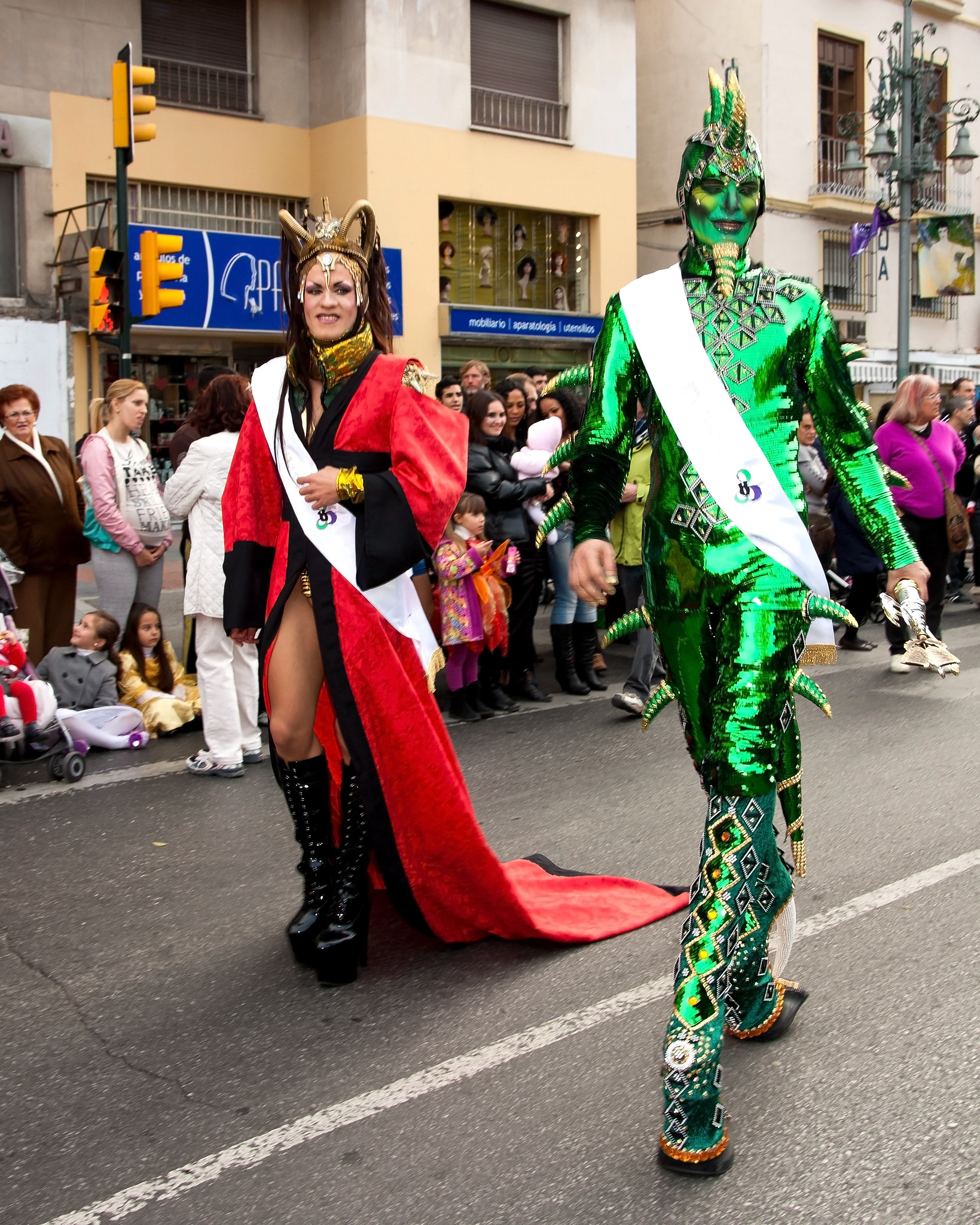 (Photo: Michael Gaylard/Flickr) (Photo: Michael Gaylard/Flickr) |
Performances are another key part of the Malaga carnival. Large groups known as chirigotas or comparsas take to the streets, wearing matching costumes and singing witty, satirical songs – often poking fun at politics. But these performers aren’t professional artists. They’re just everyday people from Malaga who do this for fun. Some spend months preparing, choosing topics, and writing their own lyrics. This strong local involvement gives the Malaga carnival its unique charm.
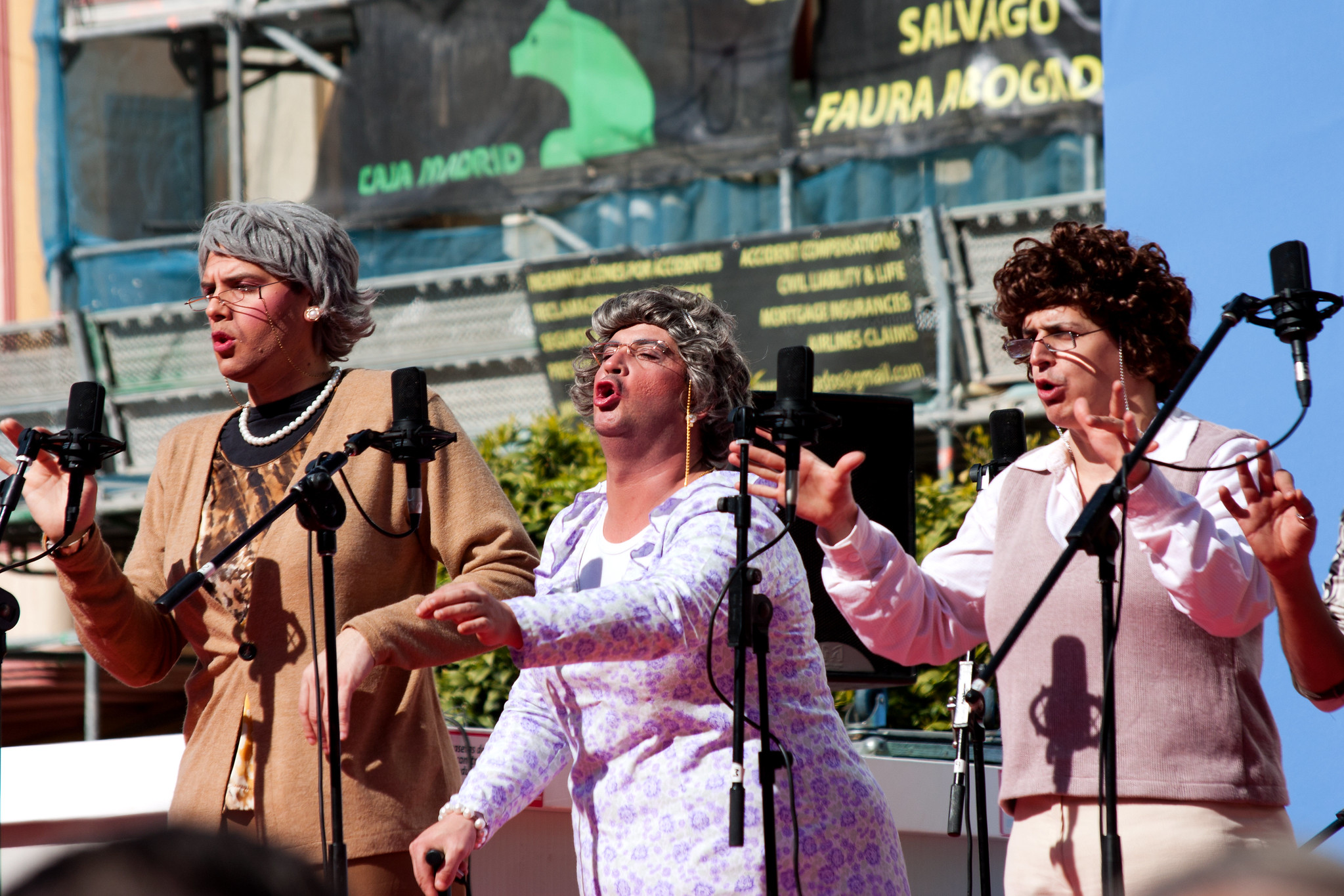 A group of locals in Malaga perform a skit during the carnival. (Photo: Michael Gaylard/Flickr) A group of locals in Malaga perform a skit during the carnival. (Photo: Michael Gaylard/Flickr) |
“Sometimes, they’ll pull someone from the crowd to join their performance, or you might just jump in spontaneously. It’s a time to express yourself, embrace freedom, interact with others, make new friends, and create fun memories. I think that's what the carnival is about and that's the spirit of a lot of the festivals we have in Spain,” Paloma told VOV.
As Paloma said, perhaps, in today’s fast-paced world, everyone could use their own version of the Malaga carnival to let loose and celebrate life.
