

 Vietnamese
 中文
中文
 日本語
日本語
 한국어
한국어
 Français
 Русский
 Deutsch
 Español
 Bahasa Indonesia
 ไทย
ไทย
 ພາສາລາວ
 ខ្មែរ
ខ្មែរ


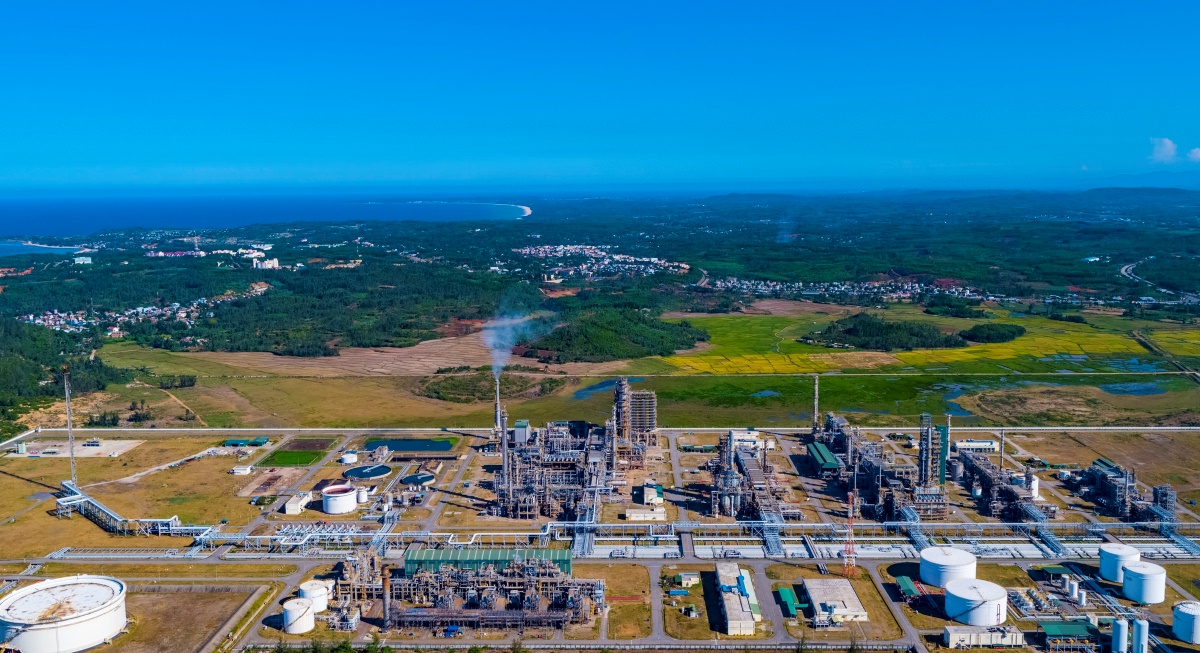

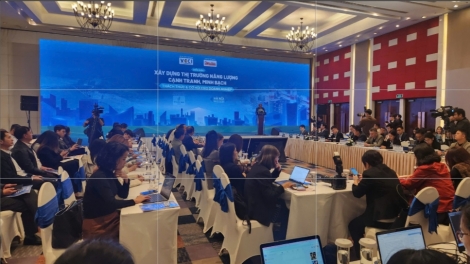
Vietnam is a fast-growing economy with energy demand rising by an average of 8-10% annually. Its economic expansion is closely tied to increased energy consumption, particularly in the processing, manufacturing, and export sectors. Energy security, therefore, will enable uninterrupted growth.
Vietnam has elevated energy security to a strategic priority through major policies such as Resolution 55, which was concretized in the Power Development Plan 8. Most recently, the Politburo issued a conclusion emphasizing the need to secure the petroleum supply and stabilize the domestic energy market.
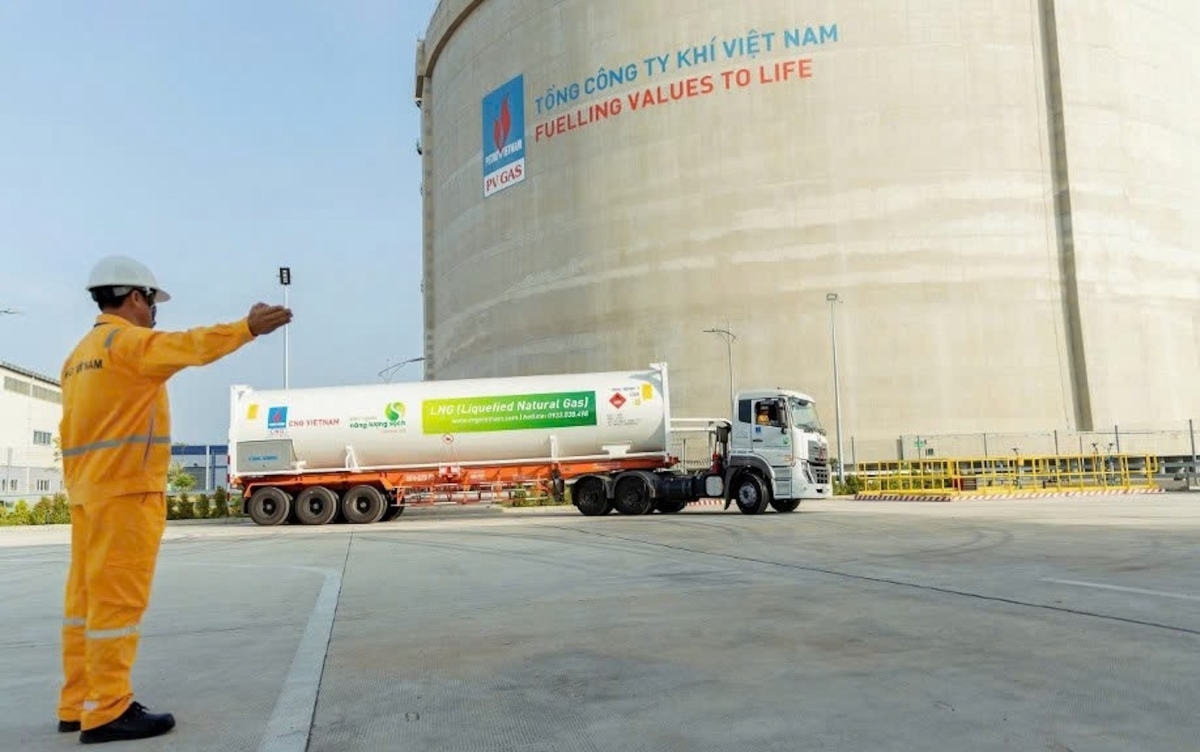
A highlight is a new approach that focuses on sufficient electricity supply and on building a sustainable, diversified, and flexible energy system. One of Vietnam’s key solutions is diversifying supply sources to reduce vulnerability to global price fluctuations.
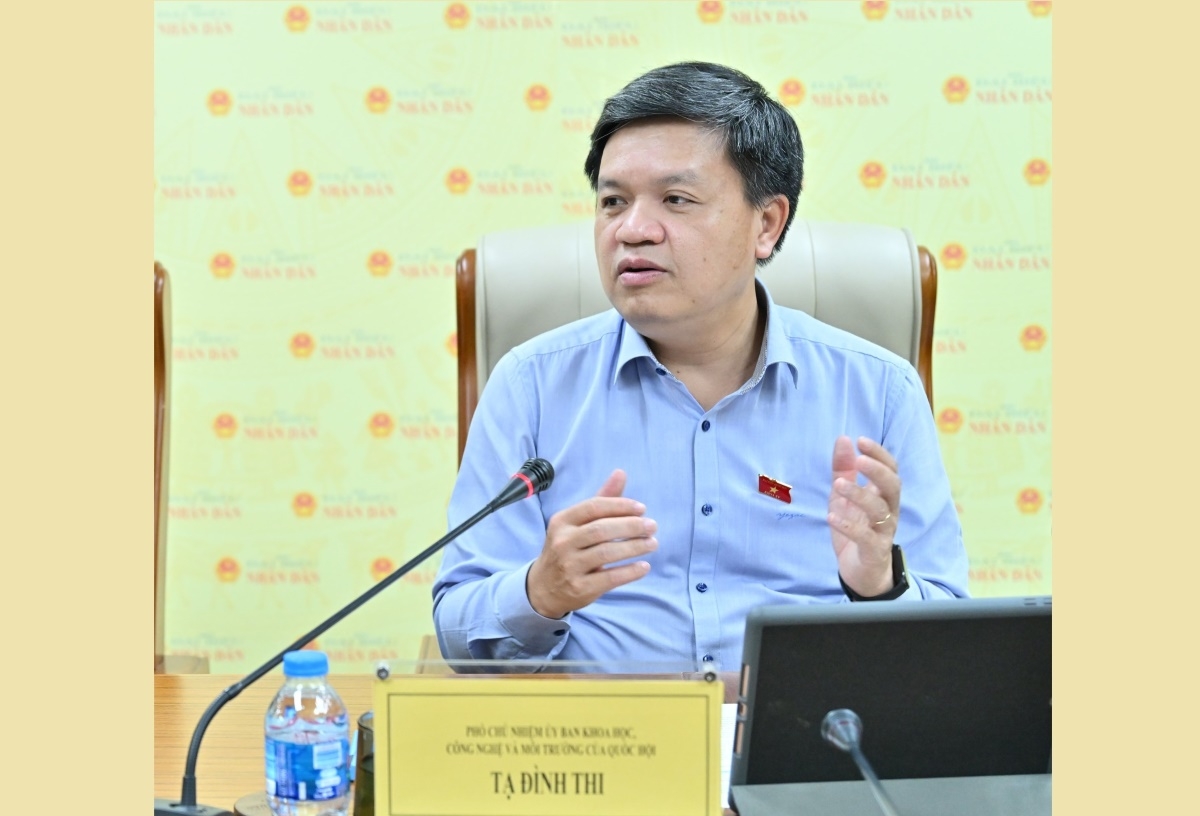
Ta Dinh Thi, Deputy Chairman of the National Assembly's Committee on Science, Technology, and Environment, said that energy transition must be a central pillar of national energy security. “This reflects Vietnam’s international commitments while reducing dependence on imported energy materials, especially fossil fuels that are highly sensitive to geopolitical fluctuations. Vietnam has significant potential in this area, particularly in solar and wind energy,” said Thi.
Ho Chi Minh City, with strong potential for offshore wind power, is accelerating wind energy projects, contributing to the national targets of 6,000 MW by 2030 and up to 91,500 MW by 2050. According to Nguyen Thi Ngoc, Deputy Director of the municipal Department of Industry and Trade, “The city has developed a data system on energy supply and demand, while speeding up investment in power grids, storage facilities, and gas infrastructure.”
“We are also finalizing mechanisms for reserves and regional coordination. Energy security is being integrated with green transformation, including charging infrastructure and green logistics. At the same time, we are diversifying energy sources, expanding gas infrastructure, and aligning infrastructure planning,” said Ngoc.
Energy conservation and efficiency play a significant role in ensuring a self-reliant, flexible, fair, inclusive, and sustainable energy system. The “Earth Hour” campaign, implemented in Vietnam for many years, continues to generate widespread positive impact across society.
Lai Duc Tuan of the Agency for Innovation, Green Transformation, and Industrial Promotion at the Ministry of Industry and Trade, underscored the need to turn energy saving into a habit in both daily life and production—from using energy-efficient devices and optimizing production processes to applying new technologies. “If these actions are sustained and widely adopted across society, they will generate long-term efficiency in energy use,” said Tuan.
Energy security is not just the responsibility of the energy sector—it is an issue for the entire economy. Taking the initiative in safeguarding energy security will determine Vietnam’s ability to sustain high growth, stabilize the macroeconomy, and improve national competitiveness.
Deputy Minister of Industry and Trade Nguyen Hoang Long said, “Improving energy efficiency is a key factor in improving the competitiveness of the national economy, especially during the growth model restructuring.” “This requires stronger innovation, with technology and digital transformation serving as the foundation for more sustainable energy use. We must also promote green consumption and foster sustainable lifestyles to create comprehensive, long-term change throughout the economy,” said Long.
In an era of globalization, energy security cannot be separated from international cooperation. Vietnam is participating in global initiatives such as the Just Energy Transition Partnership (JETP), a financial cooperation mechanism that helps emerging economies reduce reliance on coal and transition to clean energy. These partnerships enable Vietnam to integrate more deeply into the global energy value chain.
As Vietnam enters a new phase of development with the goal of becoming an upper-middle-income country, the role of energy will become even more critical. Vietnam's steps toward building a secure, sustainable, and flexible energy system will help power economic growth while laying the groundwork for a green, resilient, and self-reliant future.