





 Vietnamese
 中文
中文
 日本語
日本語
 한국어
한국어
 Français
 Русский
 Deutsch
 Español
 Bahasa Indonesia
 ไทย
ไทย
 ພາສາລາວ
 ខ្មែរ
ខ្មែរ


(VOVworld) – Culture is considered one of resources that will help sustainable development. Once integrated into policy, rituals, beliefs, festivals, tourism, and other core cultural features will contribute a great deal to a nation’s sustainable development.
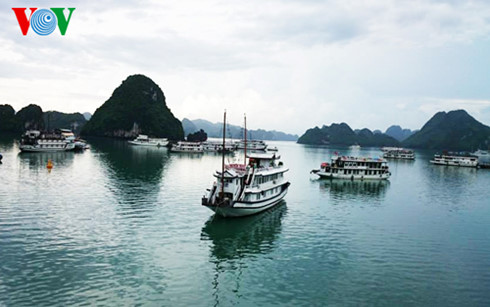 |
| Ha Long Bay, a UNESCO-recognized world heritage site in Vietnam |
Prof. Luong Van Hy, Director of the Collaborative Master's Degree Program in Asia-Pacific Studies at Canada’s Toronto University, said: “UNESCO advocates respect for all cultures and their contributions to national development through the protection of heritages. On the other hand, when a nation’s culture is treasured, its aspirations, thinking, and origins will have a stronger say.”
Prof. Hy emphasized the role of community in protecting and promoting ethnic culture: “UNESCO believes in protecting heritage within a community rather than in a museum. So, the community’s role is absolutely important. It’s not enough just to record some musical pieces and then play them at a museum. Culture only lives in the community.”
Prof. Le Hong Ly, Director of the Institute for Folklore Studies at the Vietnam Academy of Social Sciences, suggested ways to capitalize on culture: “We should turn cultural resources into commodities. This issue requires folklorists’ efforts and cooperation between culture and tourism.”
