





 Vietnamese
 中文
中文
 日本語
日本語
 한국어
한국어
 Français
 Русский
 Deutsch
 Español
 Bahasa Indonesia
 ไทย
ไทย
 ພາສາລາວ
 ខ្មែរ
ខ្មែរ


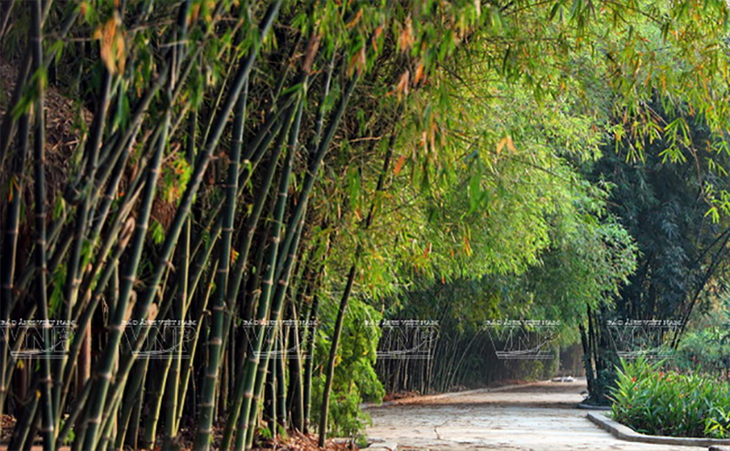 For production material, the locals plant bamboo around their houses, in their gardens, and on the roadsides. (Photo: Nguyen Luan/Vietnam Pictorial) |
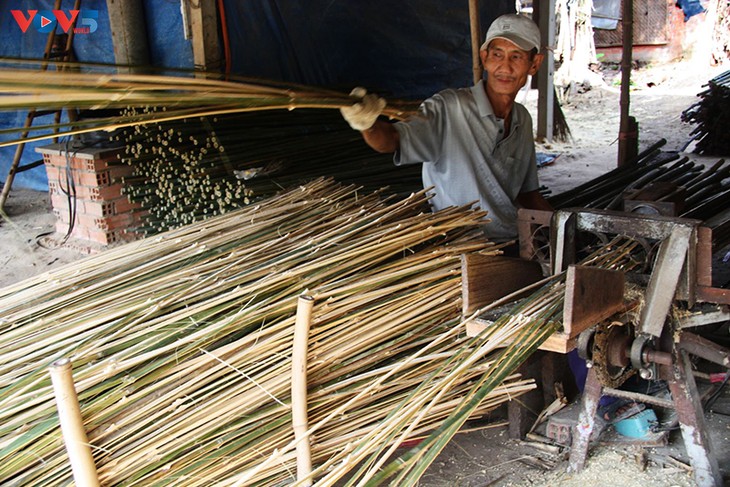 The trees are cut down, sawed, split into laths, and then split further into strips for weaving. (Photo: Nguyen Ngoc Hai/VOV) |
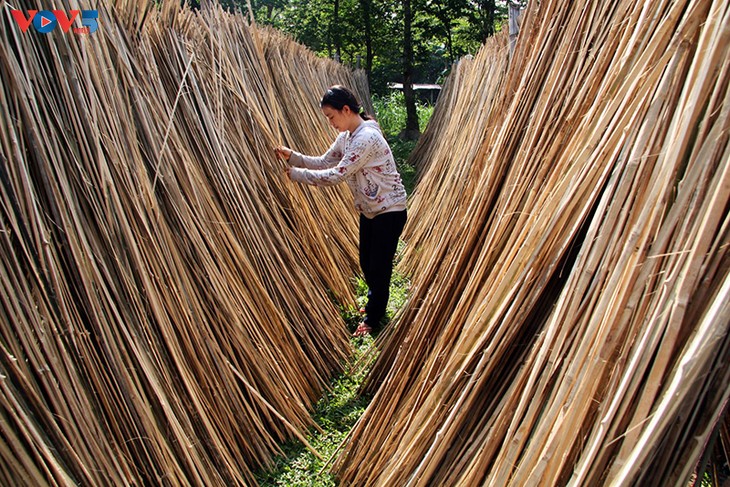 After being split into laths, the bamboo is dried in the sun for a few days. (Photo: Nguyen Ngoc Hai/VOV) |
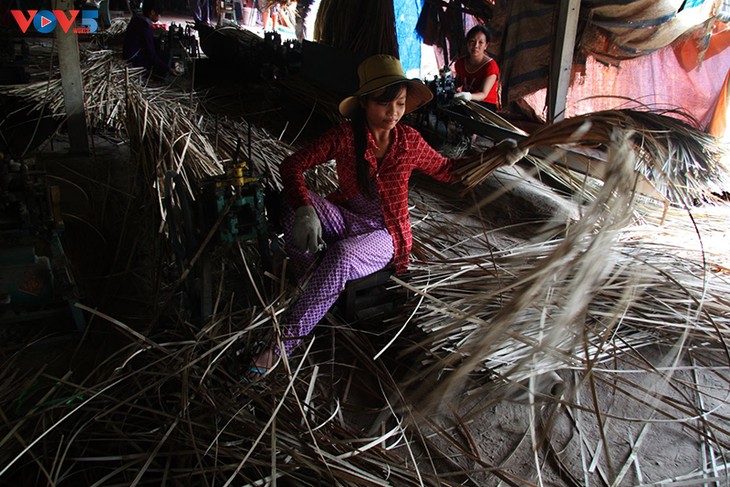 Thai My villagers use machines for certain production steps to increase productivity. (Photo: Nguyen Ngoc Hai/VOV) |
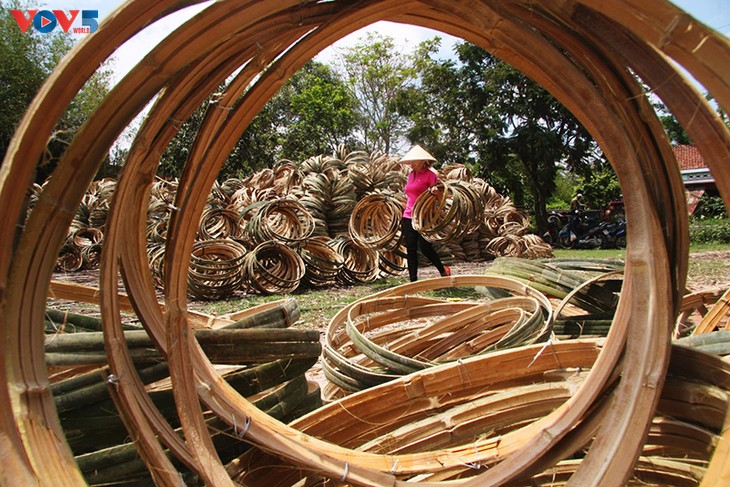 (Photo: Nguyen Ngoc Hai/VOV)
|
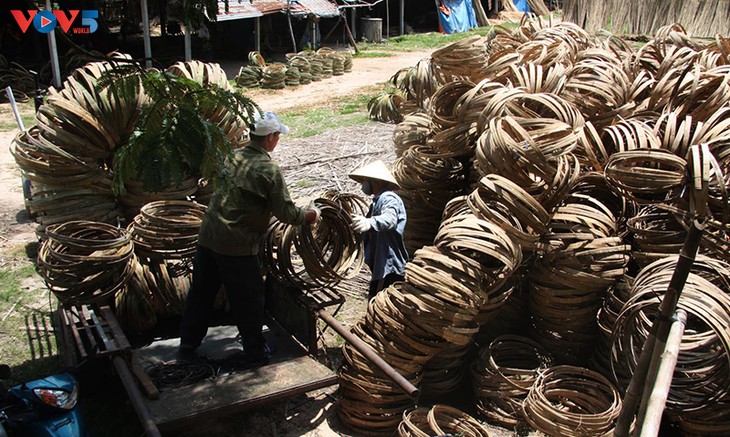 The rims of bamboo baskets are dried before weaving (Photo: Nguyen Ngoc Hai/VOV) |
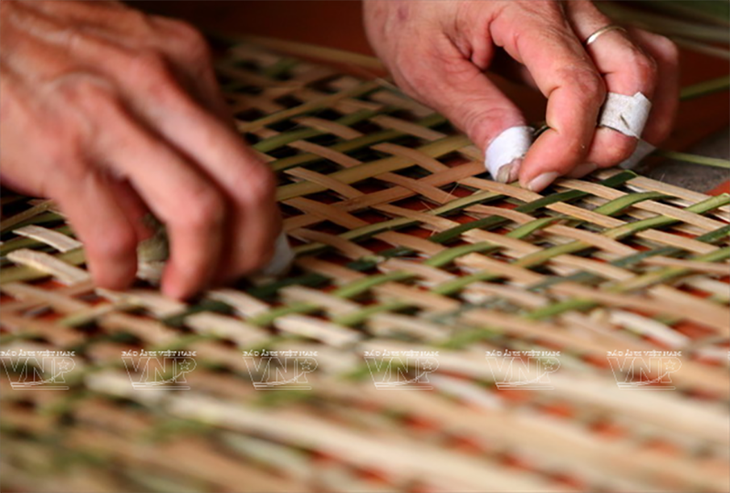 One stage of weaving bamboo products (Photo: Nguyen Luan/Vietnam Pictorial) |
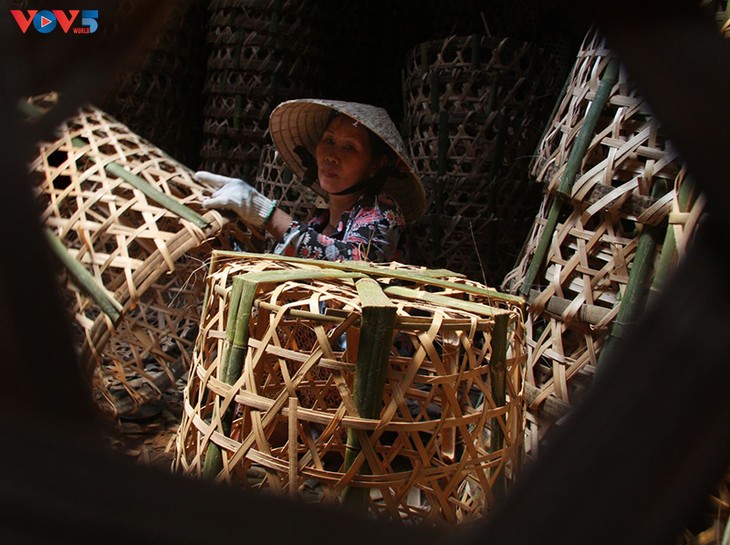 The village still makes only rattan and bamboo products. (Photo: Nguyen Ngoc Hai/VOV) |
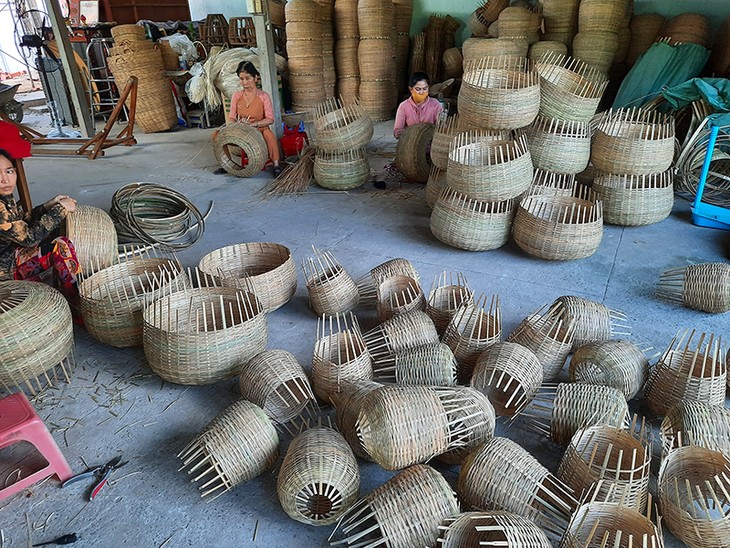 (Facebook photo: Cu Chi bamboo)
|
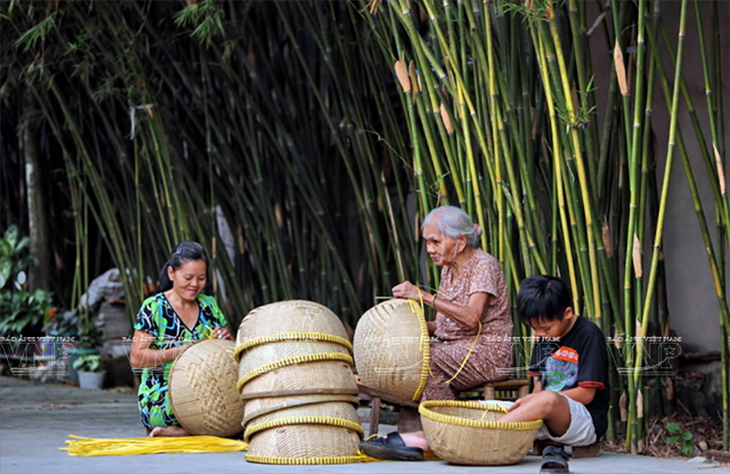 All the villagers in Thai My, old or young, are quite good at the craft. (Photo: Nguyen Luan/Vietnam Pictorial) |
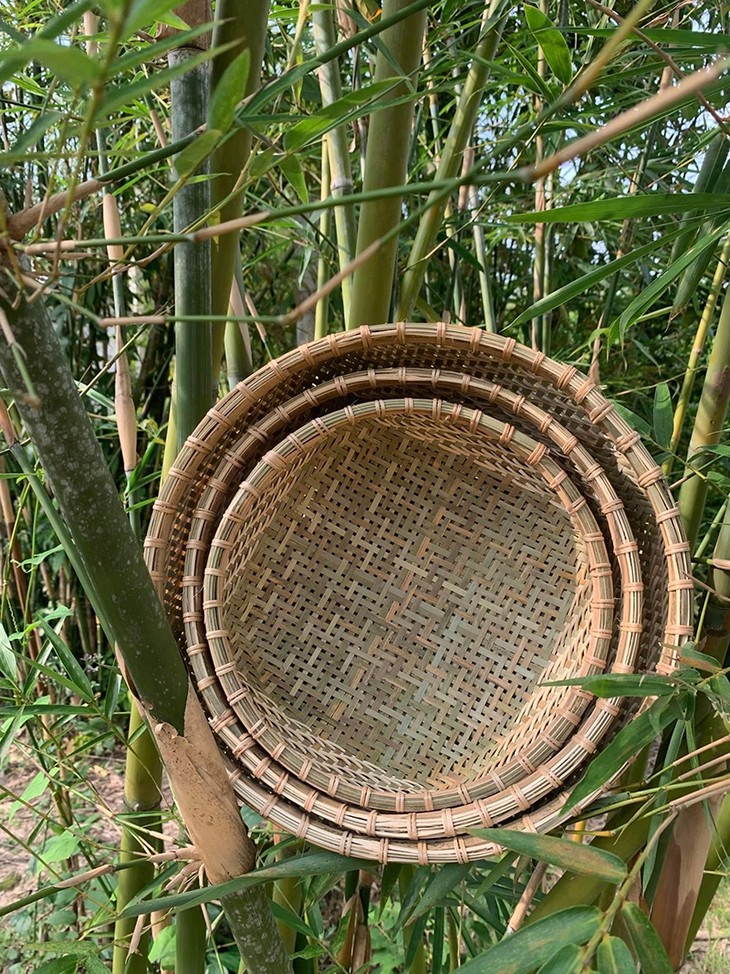 Each rattan and bamboo product, whether simple or complex, goes through many stages. (Facebook photo: Cu Chi bamboo) |
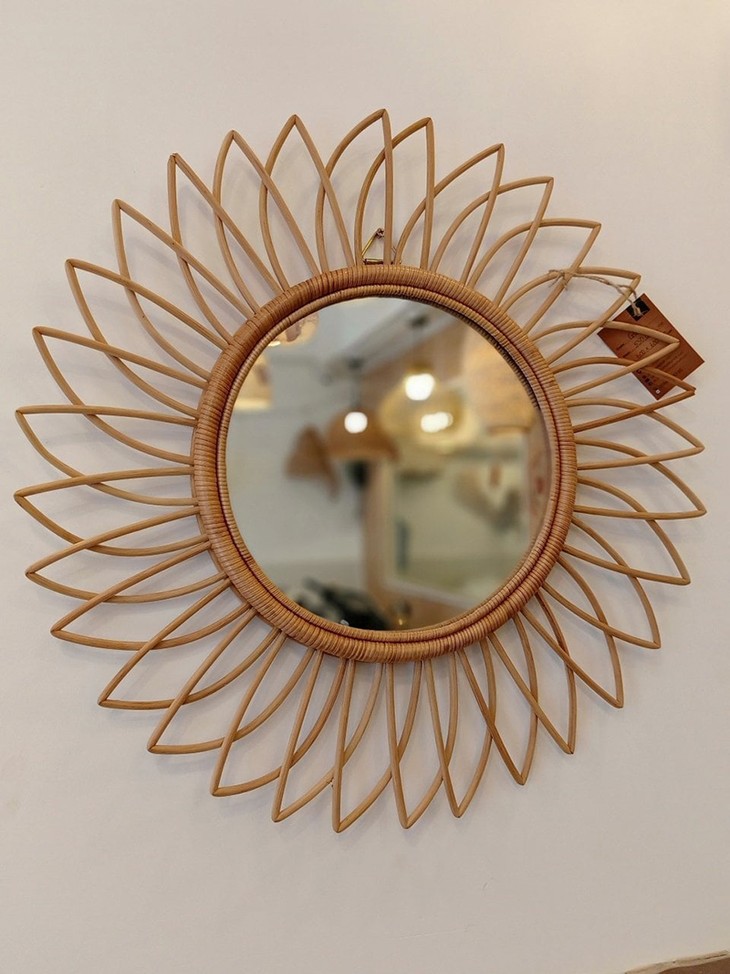 Rattan and bamboo products are attractive and useful, meet the standards of domestic and foreign markets, and produce a stable income for local people. (Facebook photo: Cu Chi bamboo) |
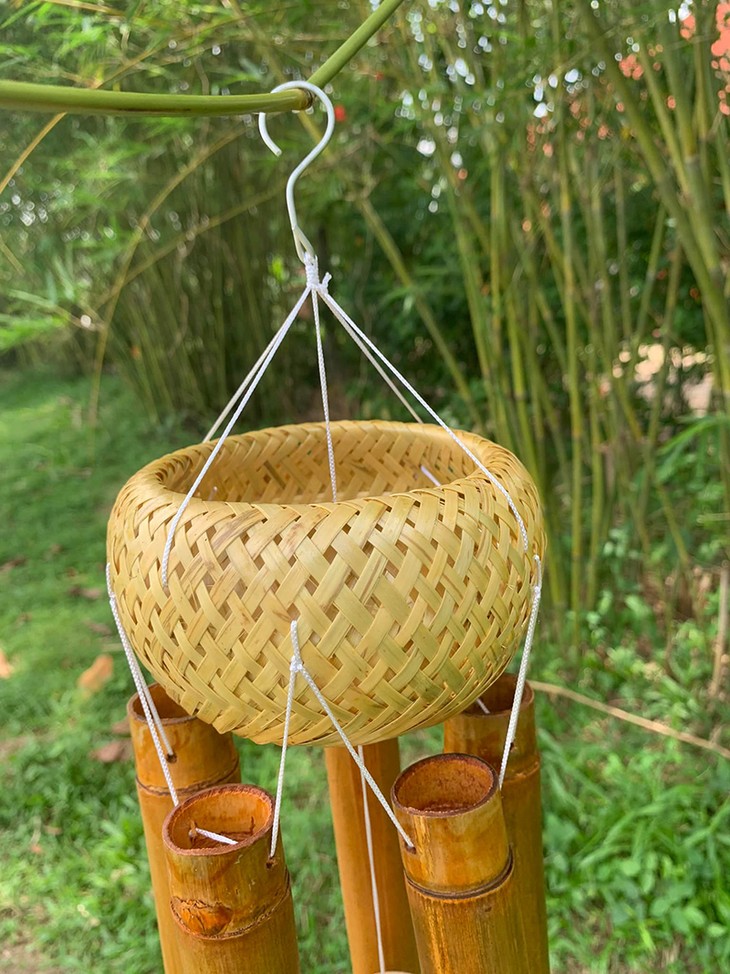 A wind chime made of bamboo (Facebook photo: Cu Chi bamboo) |
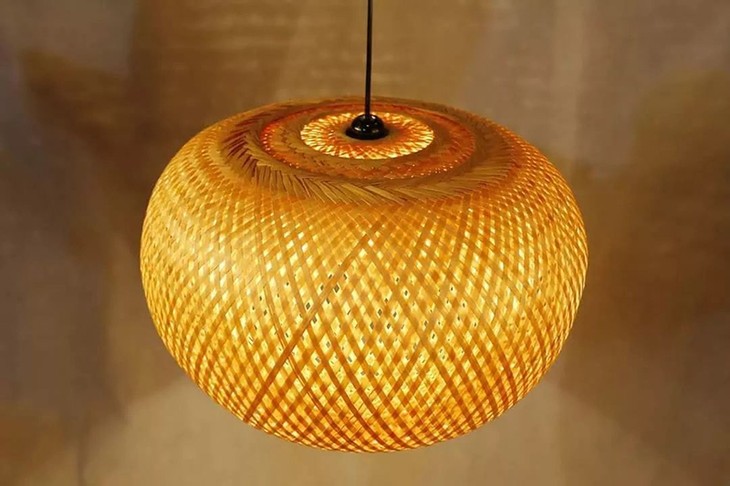 A bamboo lantern (Facebook photo: Cu Chi bamboo) |
