

 Vietnamese
 中文
中文
 日本語
日本語
 한국어
한국어
 Français
 Русский
 Deutsch
 Español
 Bahasa Indonesia
 ไทย
ไทย
 ພາສາລາວ
 ខ្មែរ
ខ្មែរ


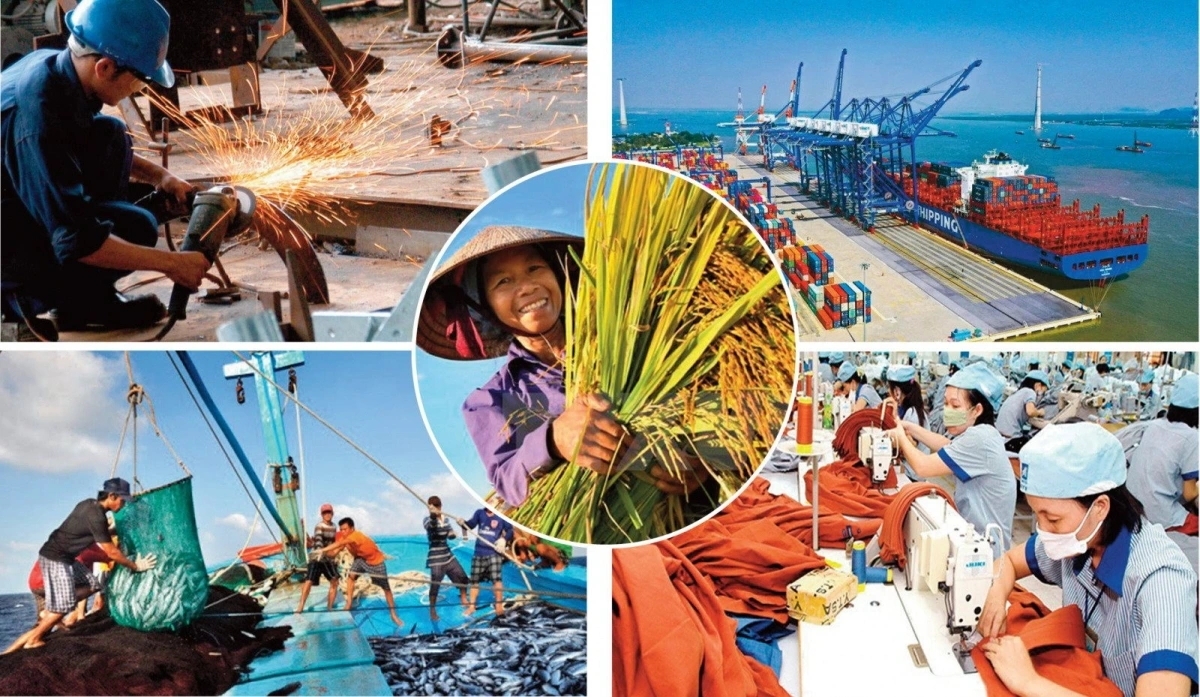
Vietnam is entering a new development phase with intertwined opportunities and challenges that requires rapid growth on the correct path for the benefit of the people.
All outcomes must ultimately benefit the people
General Secretary To Lam said all policies, projects, and investment resources must create tangible value for the people, aiming at raising incomes, reducing poverty, narrowing development gaps, improving social welfare, and safeguarding the legitimate rights and interests of all social groups. The growth results must be shared fairly, forming a solid foundation for social consensus and sustainable development. This is both the essence of the political system and the ultimate measure of all development policies.
The ultimate goal of development is to improve people’s lives. Growth is not truly meaningful if GDP rises but real incomes do not improve, if development gaps between regions and population groups continue to widen, and if people do not have more equitable access to education, healthcare, housing, employment, and social security.
When growth is associated with social security and sustainable poverty reduction, development outcomes are built on a stronger social foundation. Data released by the Ministry of Agriculture and Environment on March 16 show that Vietnam’s multidimensional poverty rate in 2025, based on the 2022–2025 standards, was 2.95%, a sharp decline from 4.06% in 2024.
Poverty reduction also means expanding access to basic services and strengthening each household’s resilience to risks to prevent poverty relapse in times of shocks.
In that spirit, General Secretary Lam’s suggestion of a Resolution on Vietnam’s development model in the new phase, based on science, technology, innovation, and digital transformation, is of great importance. As traditional growth drivers approach their limit, there must be new drivers – knowledge, technology, data, innovation, governance capacity, and institutional quality. Only by shifting development toward these drivers can high growth be sustained.
Growth aligned with improved quality of life
Throughout the renewal process, the Communist Party of Vietnam has consistently identified economic development as the central task. Vietnam has achieved significant economic growth, becoming one of the most dynamic economies in the region. But growth that focuses solely on speed without due attention to quality and distribution is unsustainable and may have undesirable social consequences.
The Party says growth must not be pursued at all costs. A strong economy must serve the national interest and people’s well-being. All policies and investment resources must aim to generate real value for the people. This requires a fundamental shift in policymaking and implementation to balance investment and social effectiveness, short-term economic gains and long-term impacts on communities and the environment. A project’s success should be measured by both its contribution to GDP and its ability to create stable jobs, raise incomes, improve living conditions, and expand development opportunities for local communities.
Associate Professor Dr. Nguyen Viet Thong said: “The Party’s consistent viewpoint is that economic growth must go hand in hand with social progress and equity, job creation, poverty reduction, and universal access to education.”
Maintaining a steadfast commitment to growth for the people’s benefit and social equity clearly reflects Vietnam’s socialist orientation. Consistently upholding and implementing this principle will be the key to Vietnam achieving high growth and building a fair, civilized, and prosperous society.